
Consumption profile, delivery mode, operating pressure, purity and continuity requirements.
Engineering and inspection
Find the leak. Prove the system.
We design helium facilities, locate leaks and inspect cryogenic equipment from concept through commissioning.
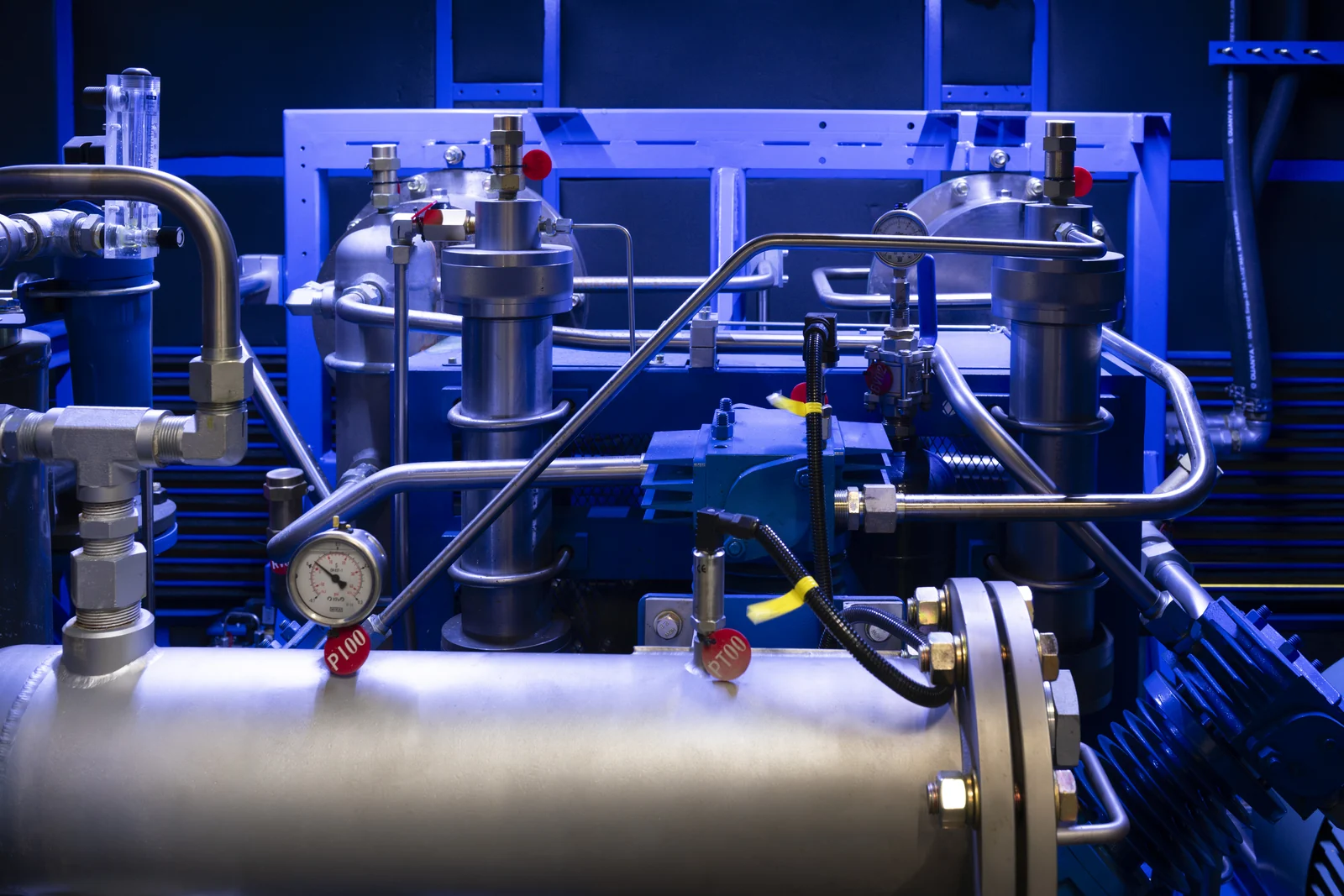
Facility engineeringConcept, layout and commissioning
Leak testingAcoustic, helium and bubble methods
NDTFluorescent penetrant and acoustic emission
AssetsDewars, tanks and tube trailers
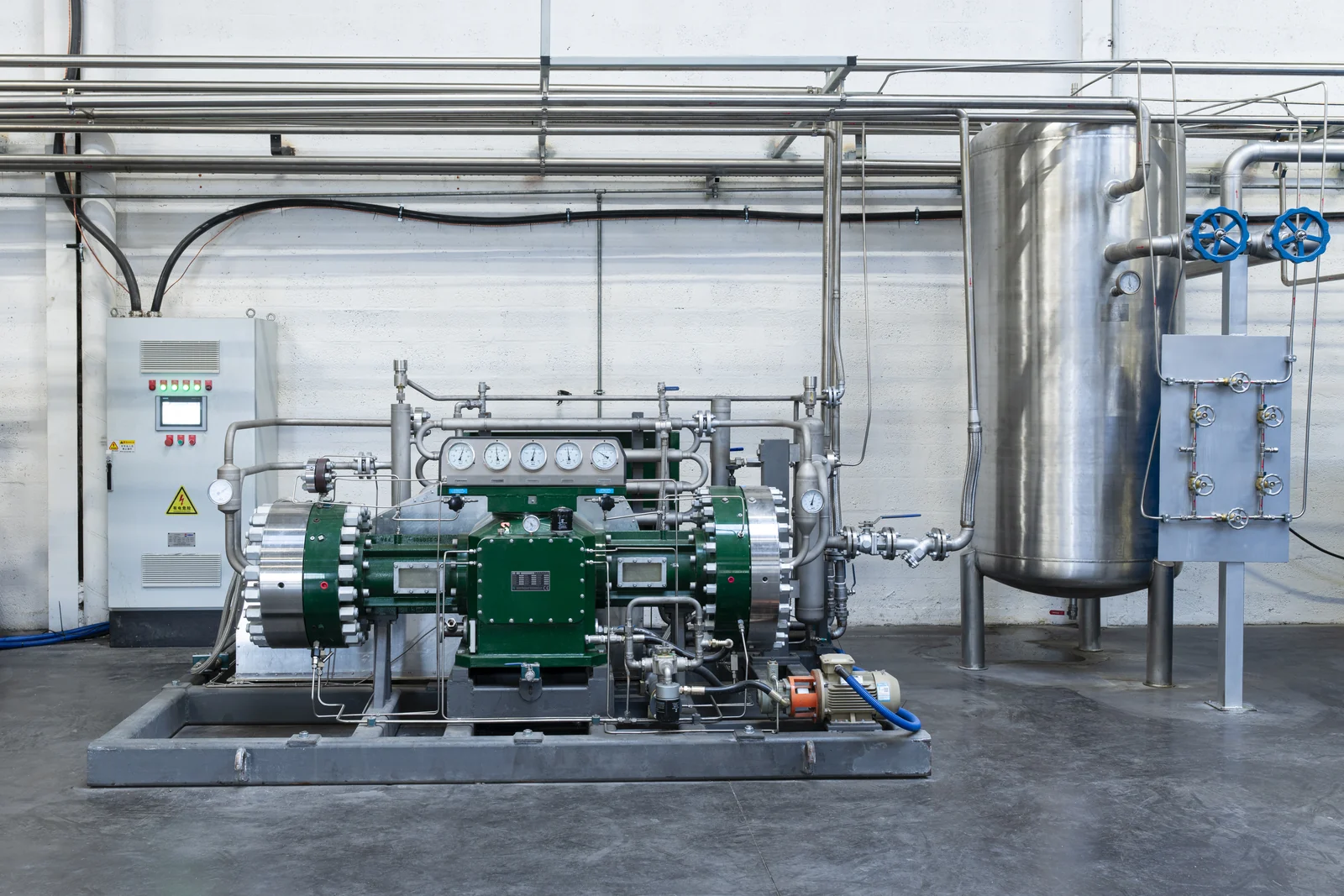
A helium site starts with the operating case.
Storage, transfer, compression, recovery and distribution must be designed around real demand, package interfaces and local operating conditions.
Equipment selection, piping routes, control philosophy and utility interfaces.
Procurement coordination, installation planning, testing and commissioning support.
Operating documentation, inspection records and agreed training scope.
One method does not fit every leak.
The test method follows the equipment, pressure condition, required sensitivity and whether the task is screening, localization or quantification.
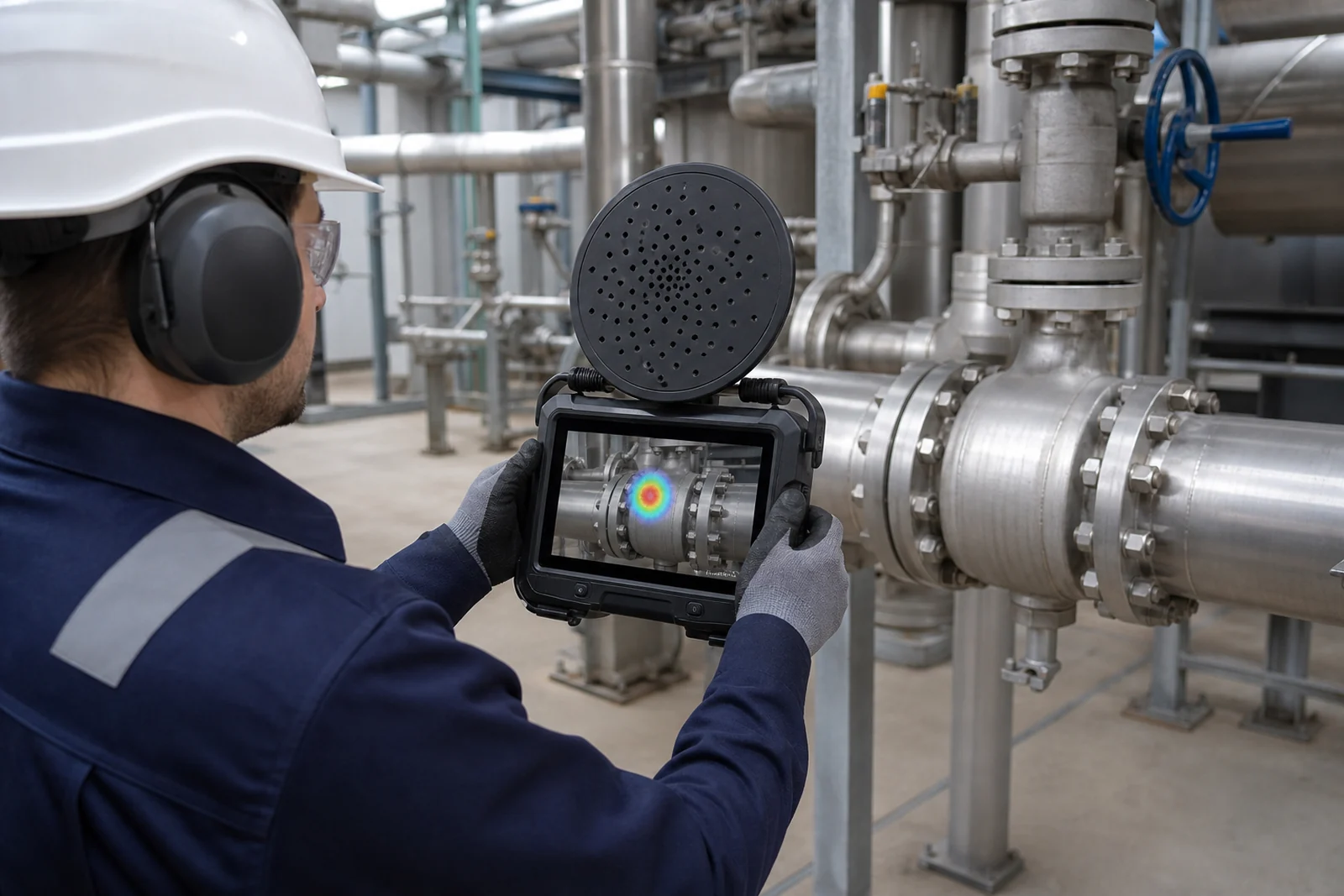
Acoustic imaging
A microphone array visualizes sound sources and helps locate leaks in compressed gas and vacuum systems during a broad survey.
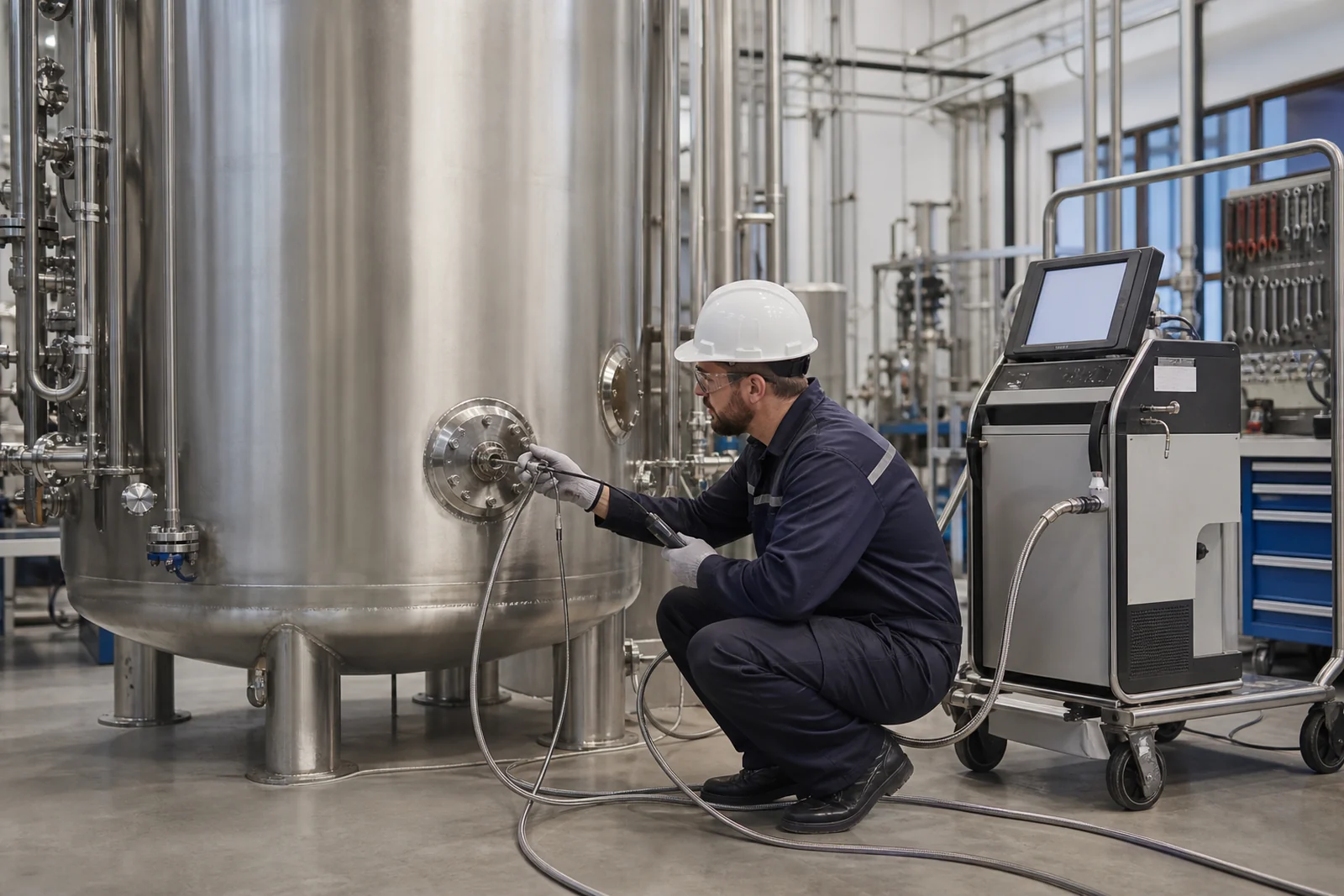
Helium mass spectrometry
Vacuum spray and positive-pressure sniffer techniques support sensitive local testing of welds, flanges, valves and vacuum jackets.
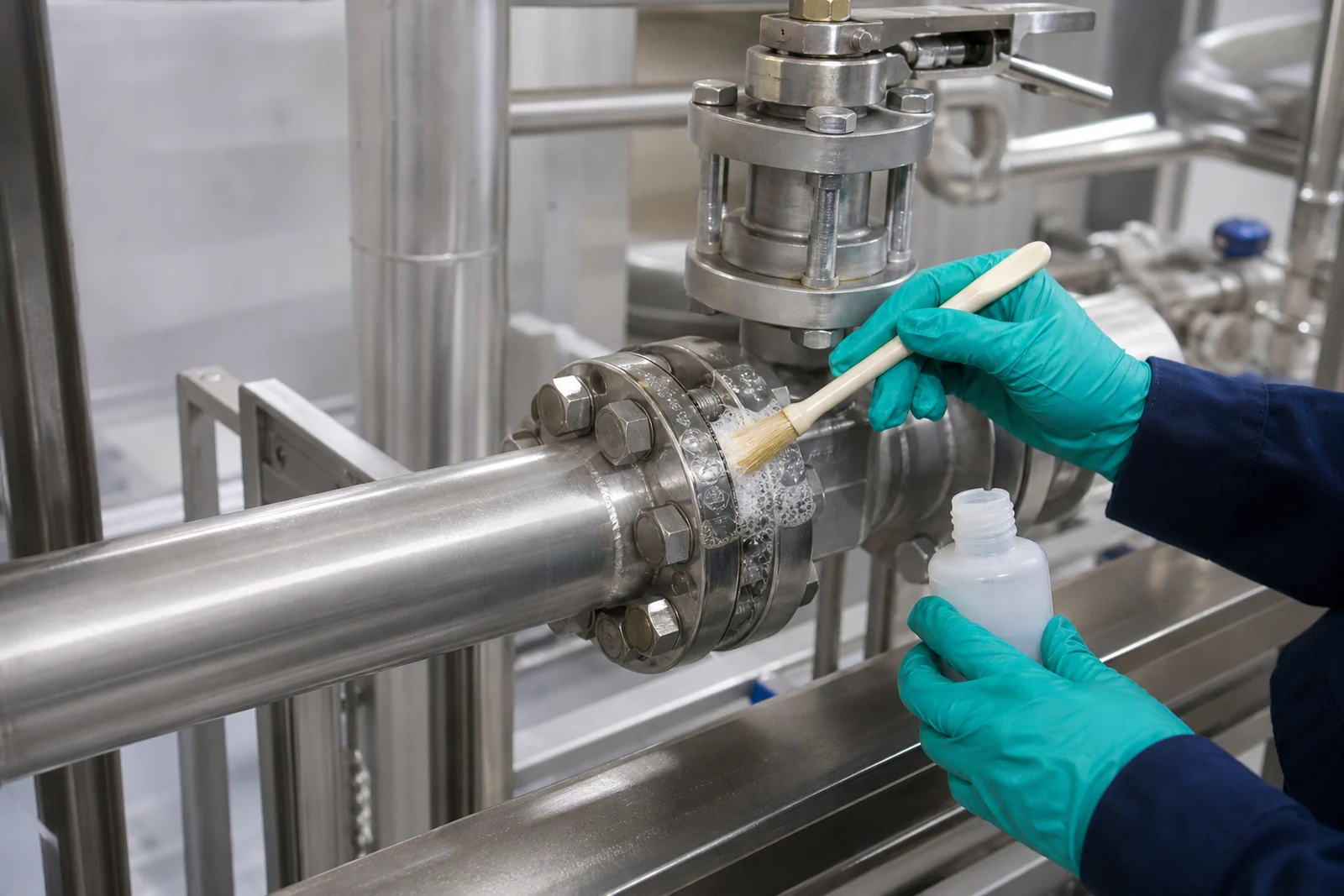
Bubble leak testing
An approved foaming solution provides direct visual confirmation at accessible joints and suspected leak points under suitable pressure conditions.
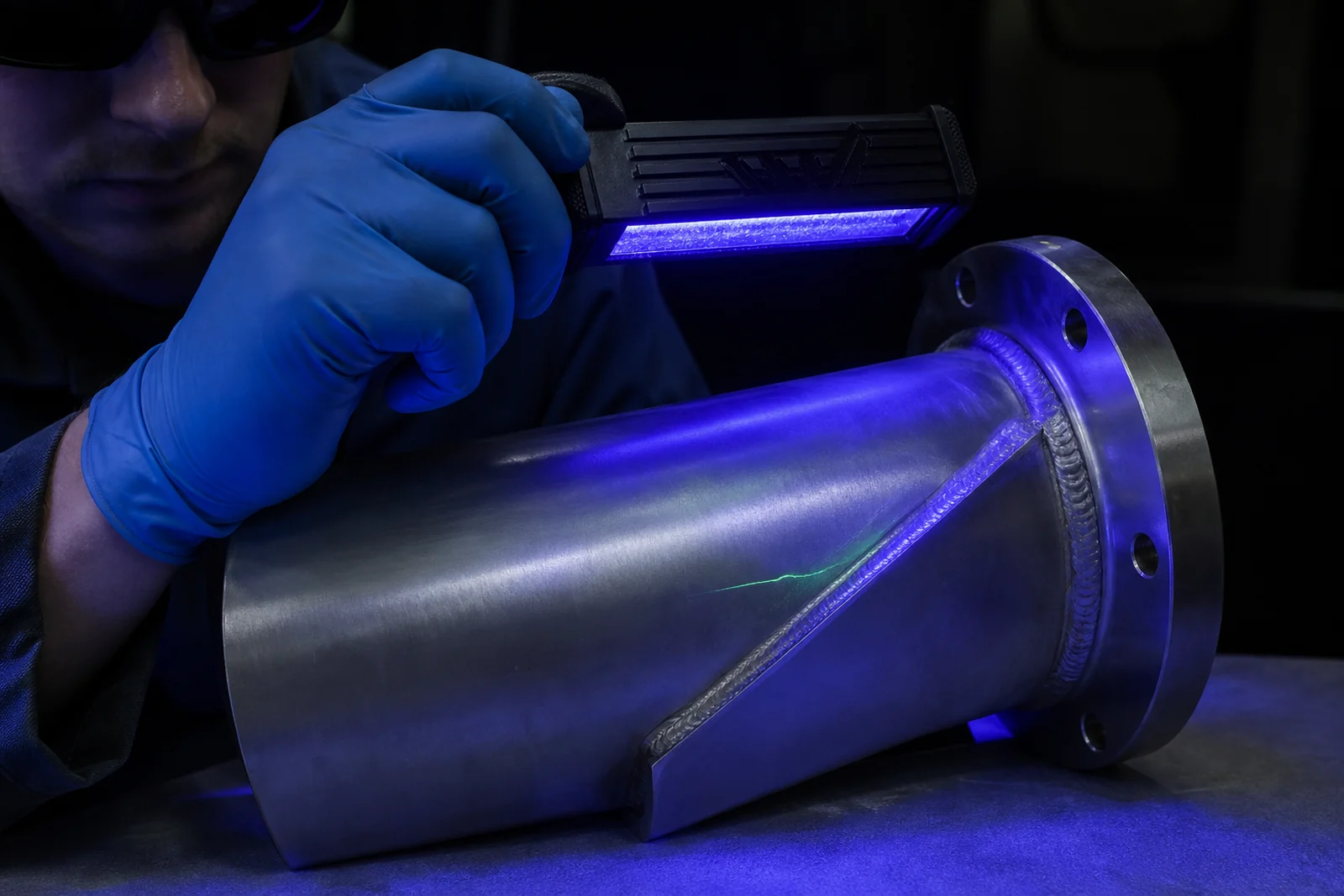
Fluorescent penetrant inspection
UV-A examination of fluorescent penetrant indications helps reveal fine surface-breaking discontinuities on suitable nonporous materials.
Pressure and cryogenic assets
Inspection follows the asset and its approval regime.
We define the examination scope around construction, service history, applicable rules and the decision the inspection must support.
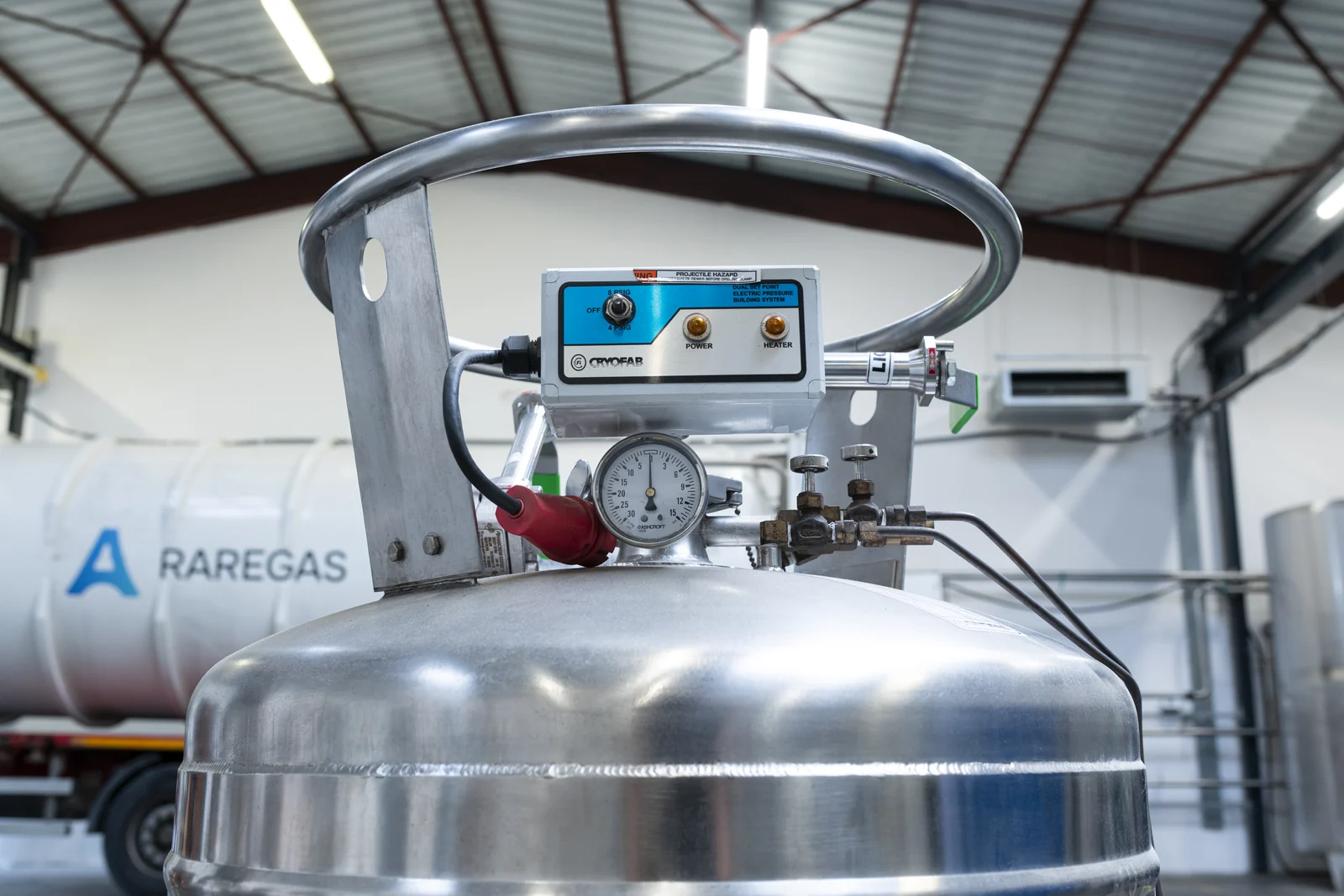
Dewars and vacuum-insulated vessels
Vacuum-jacket integrity, welds, flanges, valves, safety devices and supporting leak-test records.
Tube trailers and P-50 type systems
Acoustic emission examination with follow-up ultrasonic assessment where required by the applicable inspection procedure.
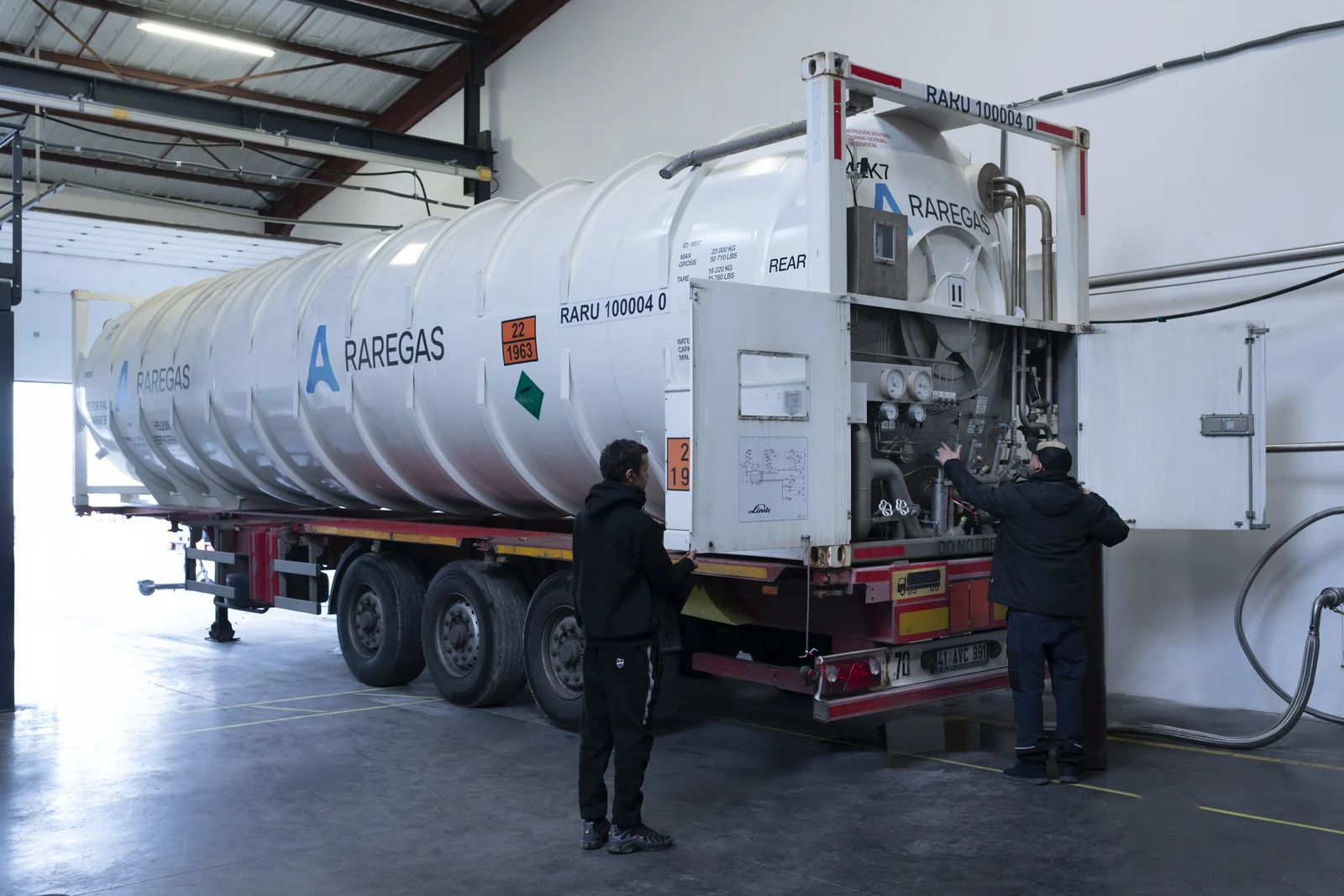
Tank containers
Inspection planning for the vessel, frame, valves, fittings, safety devices, markings and technical documentation.
Statutory inspection, certification and approval are performed within the applicable authorized framework agreed for each asset and jurisdiction.
Need an engineering or inspection scope?
Send equipment data, operating conditions, drawings, location and the required decision or acceptance basis.