
CBS’s 18 October report highlighted helium supply disruption and quoted an industry consultant saying spot prices had tripled. CBS News
On 23 October, the U.S. Department of Energy designated helium as a critical material, citing its importance to semiconductor manufacturing and advanced energy technologies. DOE also identified limited refining capacity and lengthy permitting timelines as constraints on expanding domestic production. Department of Energy
The procurement perspective
For helium buyers, these developments make the details behind an offer particularly important. A useful supply comparison should address:
- Confirmed availability: allocated quantity, dispatch date and expected delivery window.
- Quality: required grade, individual impurity limits and the applicable certificate of analysis.
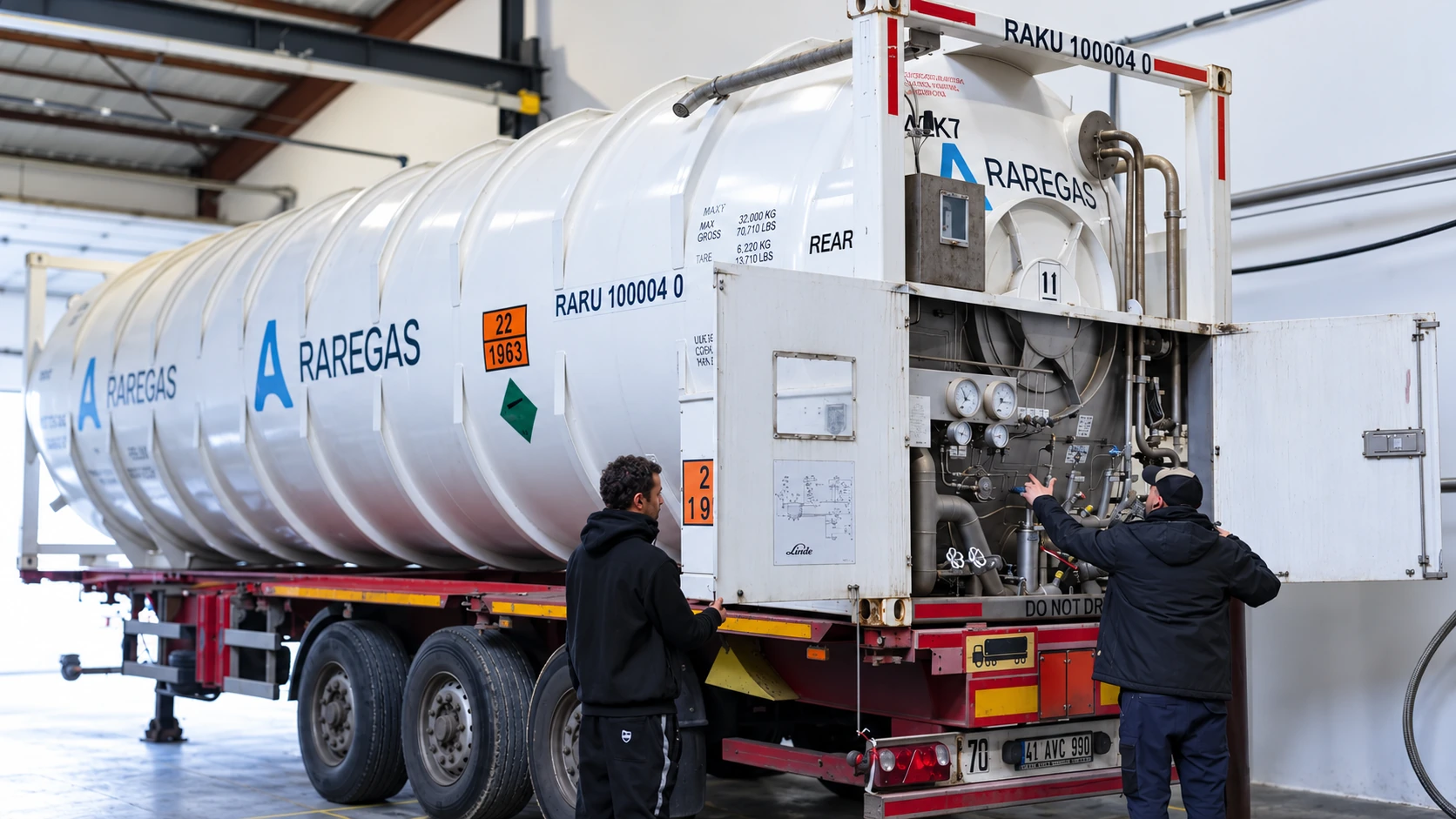
- Packaging: liquid or gaseous supply, container availability, ownership and return arrangements.
- Delivery terms: the Incoterm and named place, freight charges and responsibility for additional costs.
- Price basis: currency, unit, gas-volume reference conditions and quotation validity.
SG Trading’s procurement perspective is that alternative suppliers should also be assessed for their underlying production source and transport route. Multiple quotations may still depend on the same upstream facility or logistics bottleneck.
Buyers can strengthen an enquiry by stating their consumption schedule, minimum operating requirement, approved specifications and acceptable packaging alternatives. This gives suppliers a clearer basis for assessing what they can deliver.
Explore helium supply formats · Prepare a helium enquiry
For the earlier market context, read our 2026 helium market review, published in September.