
Consumption profile, delivery mode, operating pressure, purity and continuity requirements.
Process equipment and engineering
Gas Engineering, Equipment & Field Services
Facility design, cryogenic process equipment, automation and inspection support, scoped around your operating requirements.
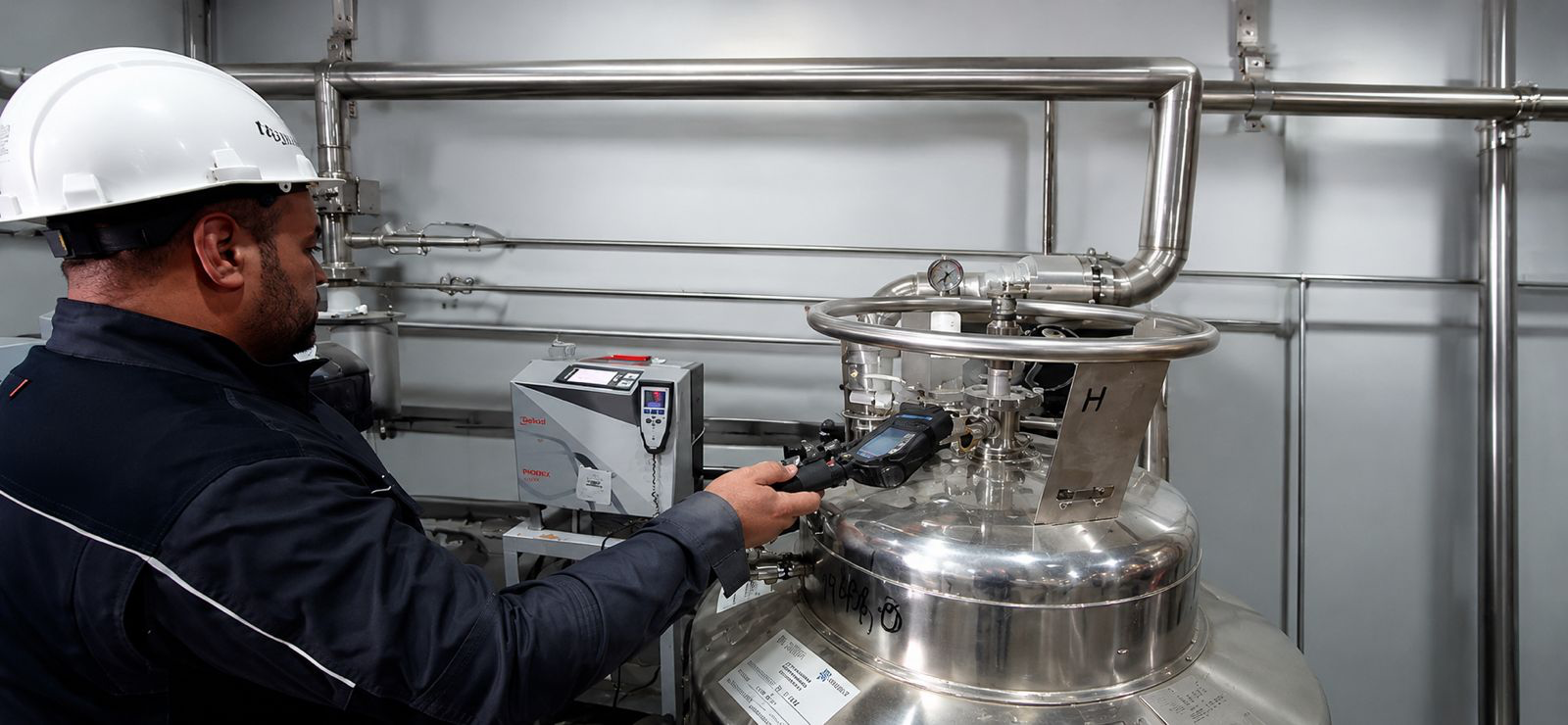
Facility engineeringConcept, layout and commissioning
Leak testingAcoustic, helium and bubble methods
NDTFluorescent penetrant and acoustic emission
AssetsDewars, tanks and tube trailers
Request an industrial inspection
Tell us what must be examined and what decision follows. We structure the survey around the asset, operating state, access and required record.
Read the inspection scope guideStart with the operating context
- Industrial gas and vacuum systems
- Dewars, valves and pressure assemblies
- Tube trailers and cylinder installations
- Screening, localization or condition review
A helium site starts with the operating case.
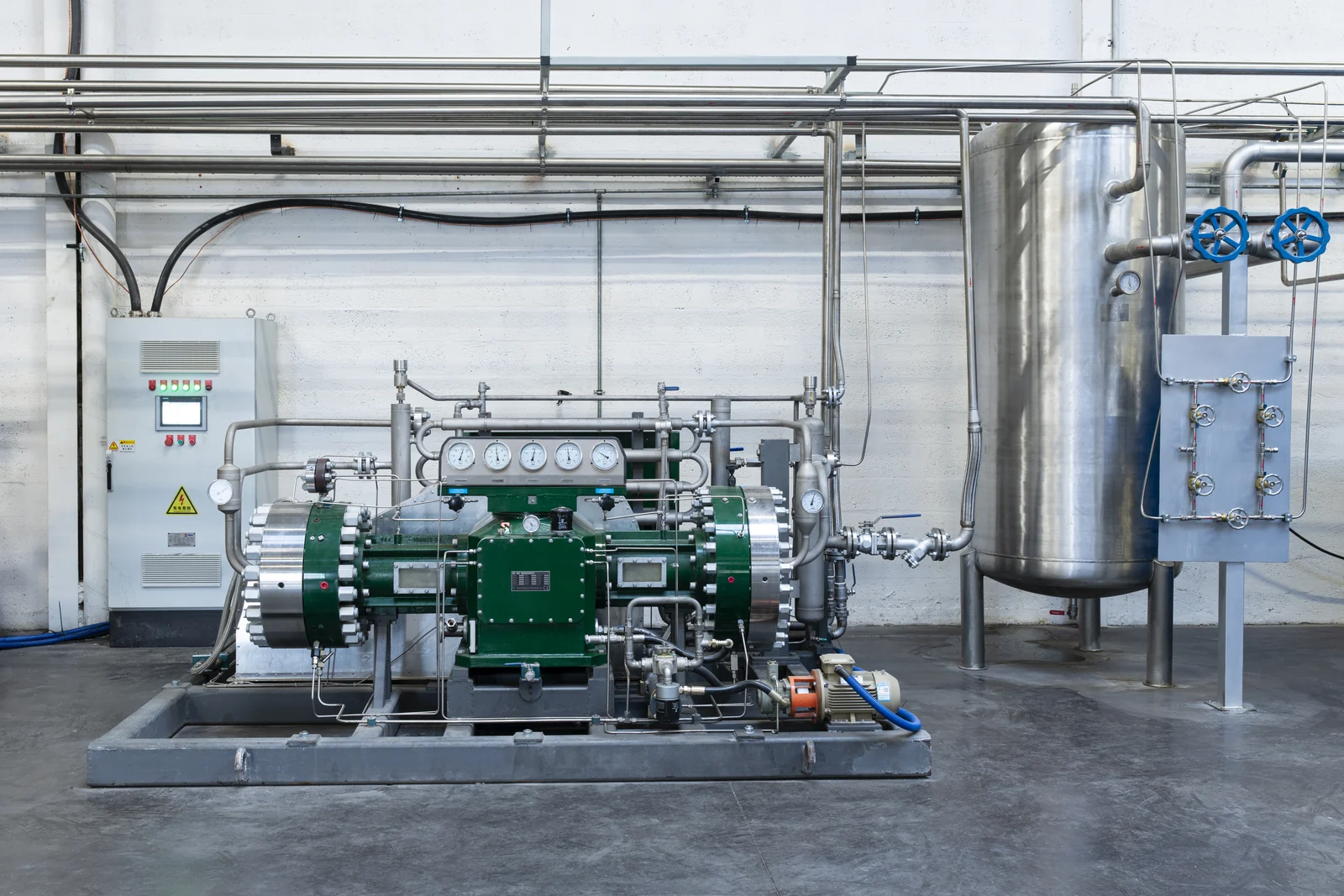
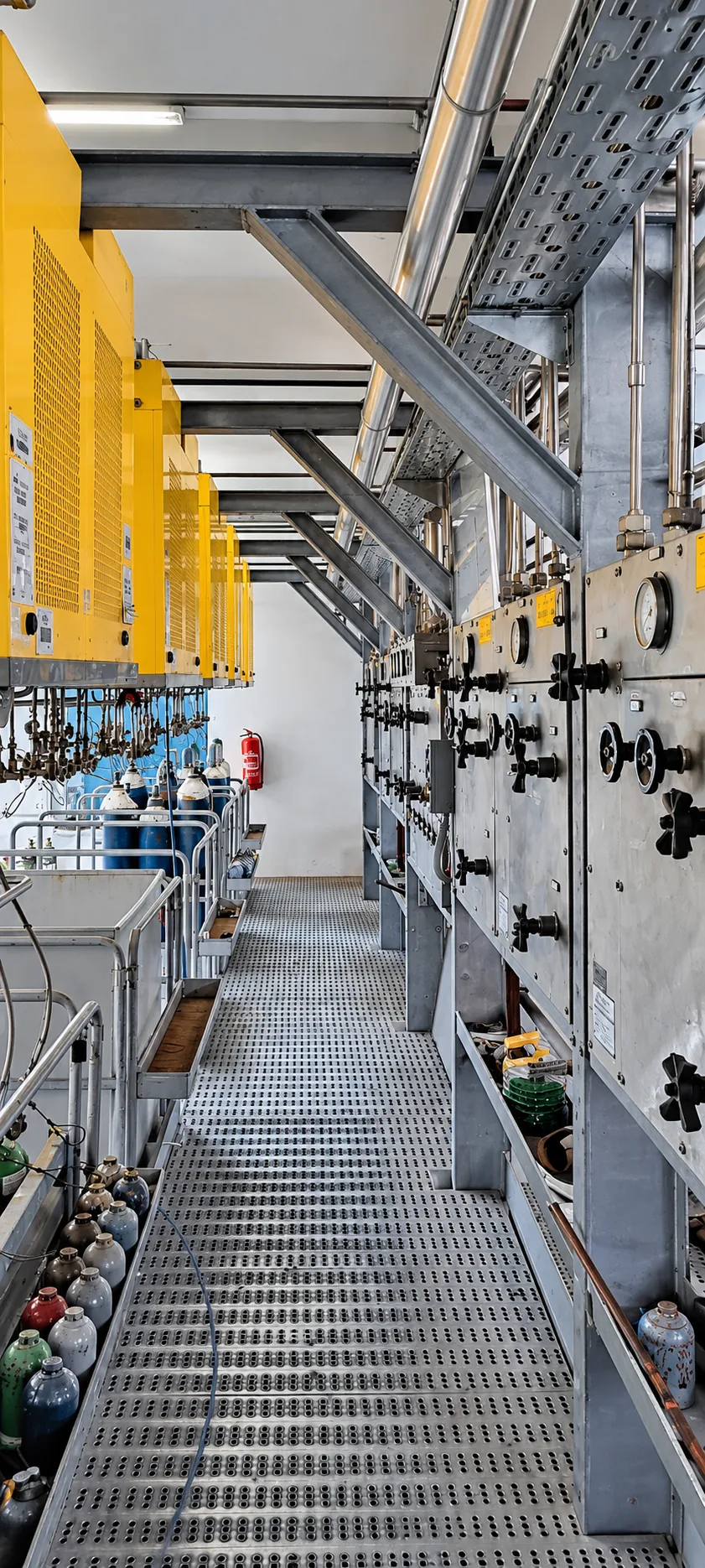
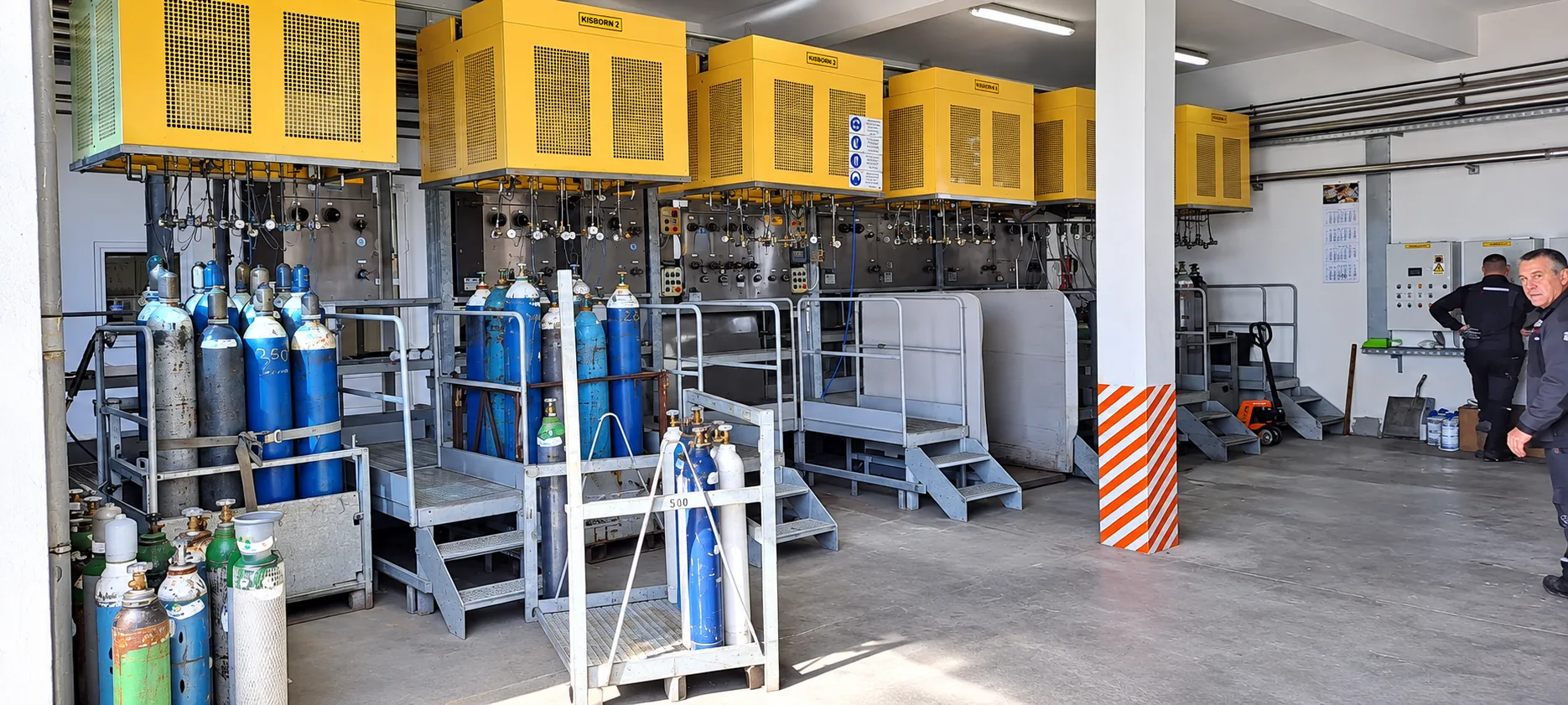
Storage, transfer, compression, recovery and distribution must be designed around real demand, package interfaces and local operating conditions. Start with the required helium supply form and the corresponding packaging and transfer interface.
Equipment selection, piping routes, control philosophy and utility interfaces.
Procurement coordination, installation planning, testing and commissioning support.
Operating documentation, inspection records and agreed training scope.
Cryogenic process equipment
Components built around the process.
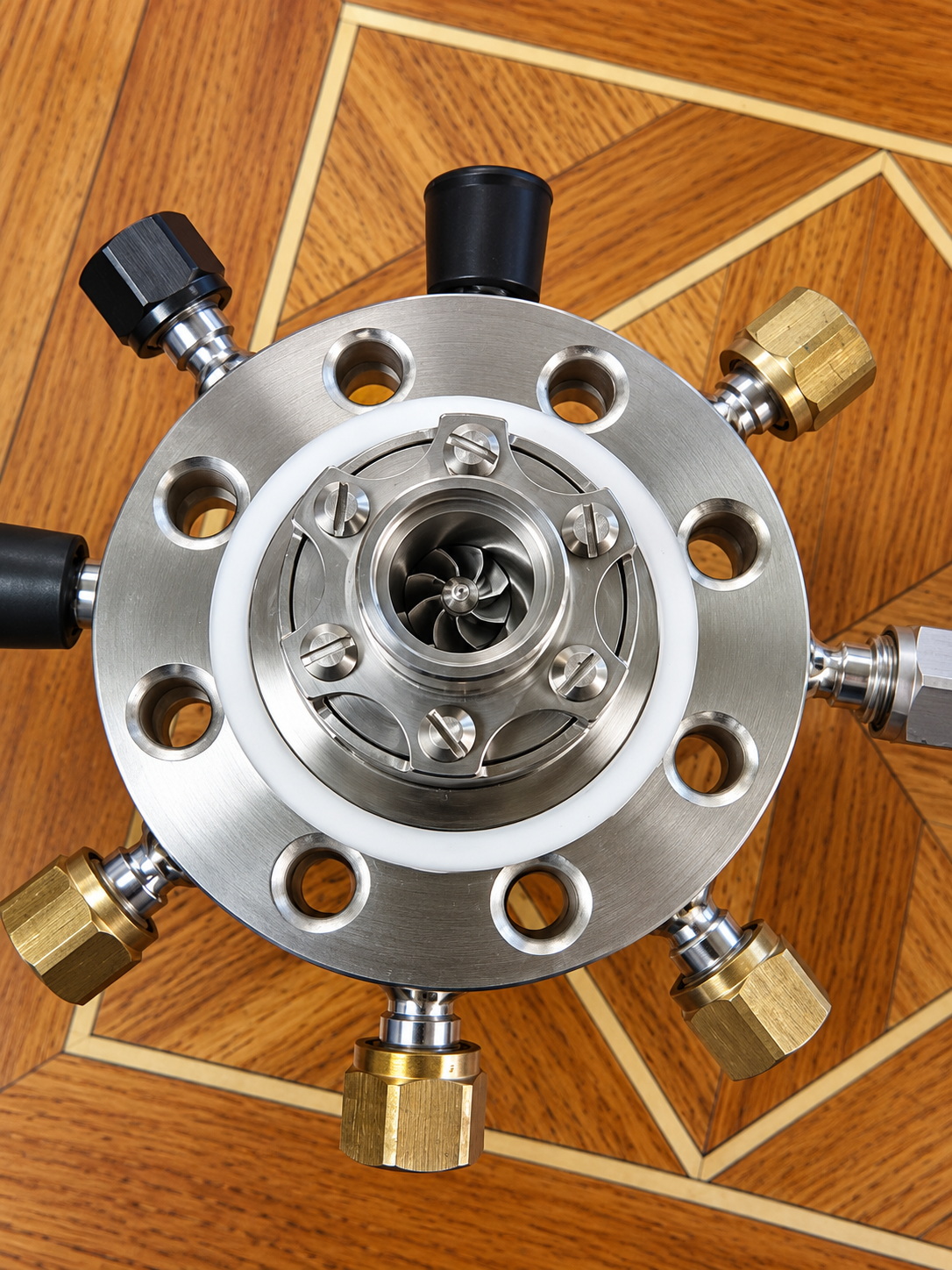
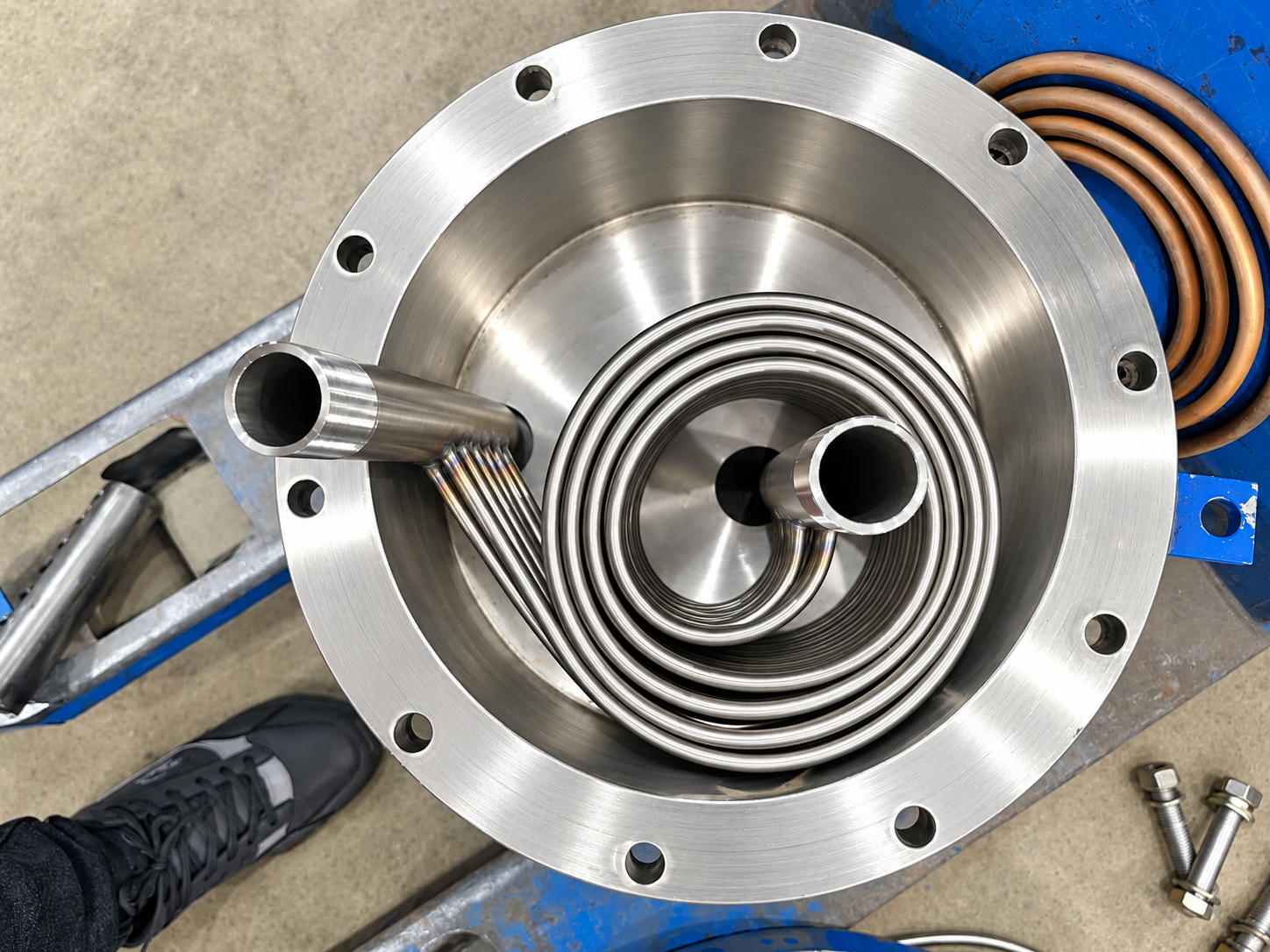
Turboexpander and heat-exchanger work involves different interfaces and operating requirements. The photographs below show separate equipment details, not a matched system or a performance specification.
Read how turboexpanders and heat exchangers work within a helium cycle, and how vacuum, MLI and thermal shields limit the heat entering cold equipment.
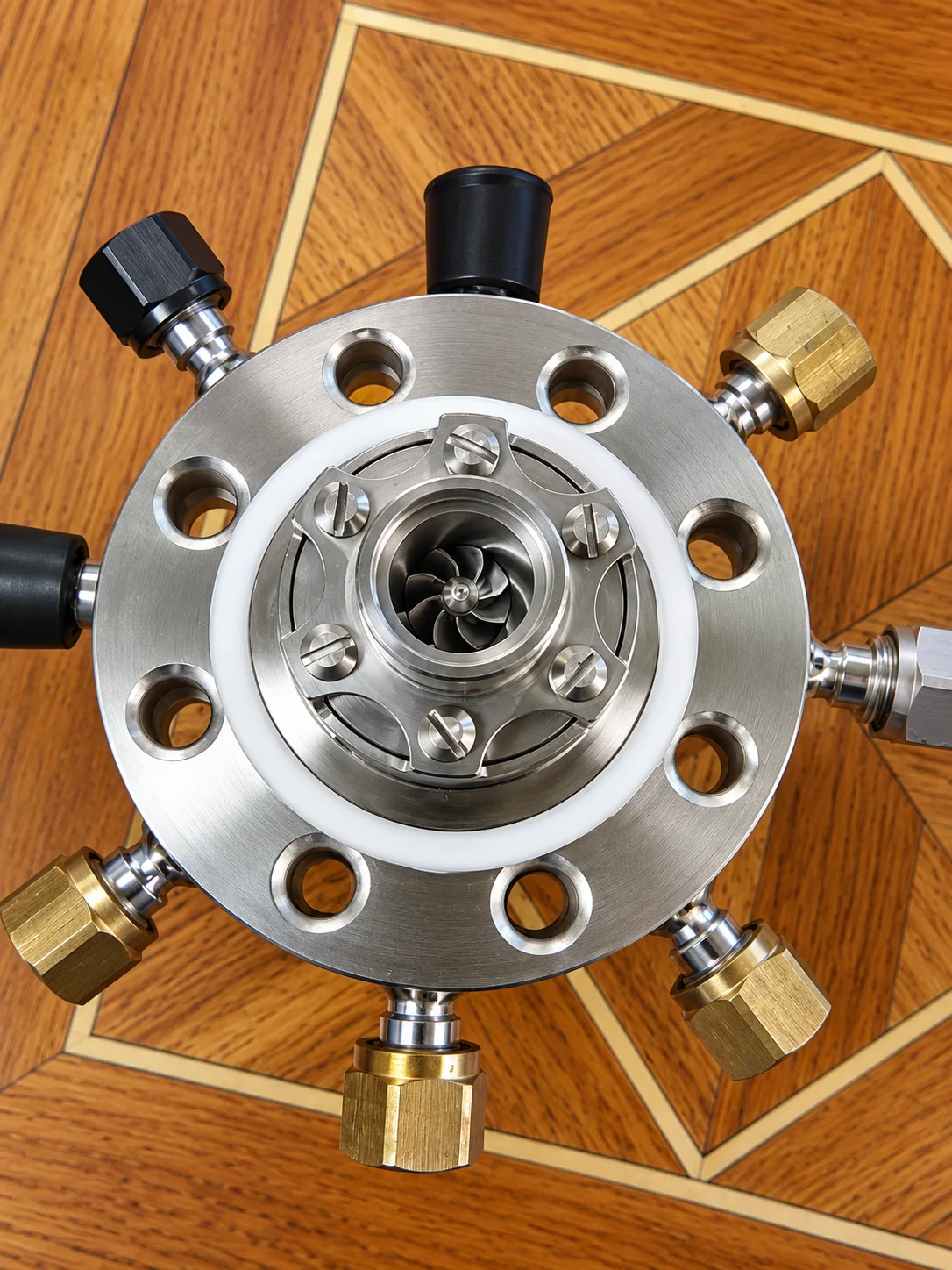
Helium turboexpander assembly. Rotor detail and connection interfaces.
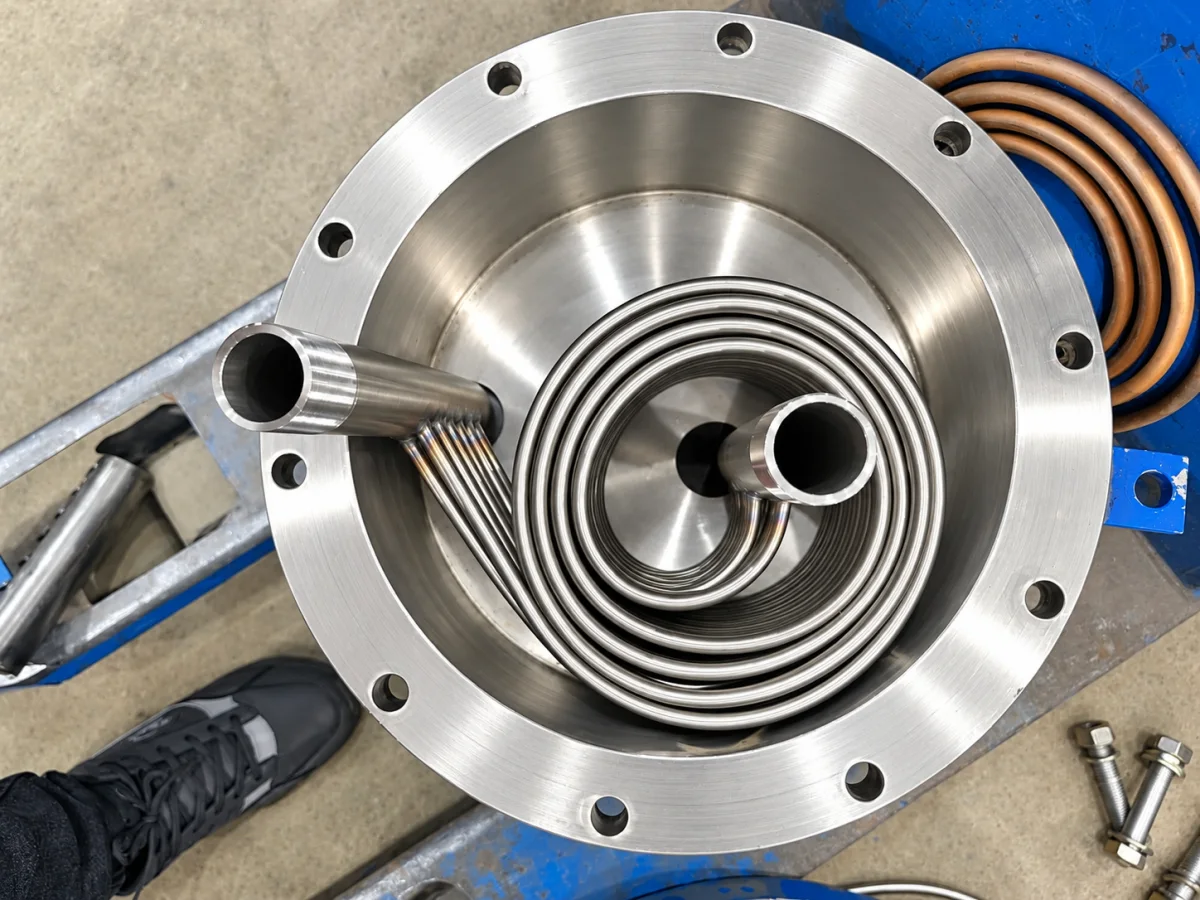
Heat exchanger fabrication. Internal tubing assembly before enclosure.
For equipment review, share the process duty, operating conditions, interfaces and required documentation. See selected equipment and delivery contexts in Projects & Applications.
Discuss an equipment projectinfo@sgtrading.bizControls and integration
Control systems & electronics
Instrumentation, automation and electromechanical assemblies are developed around the process logic, operating envelope and required test evidence.
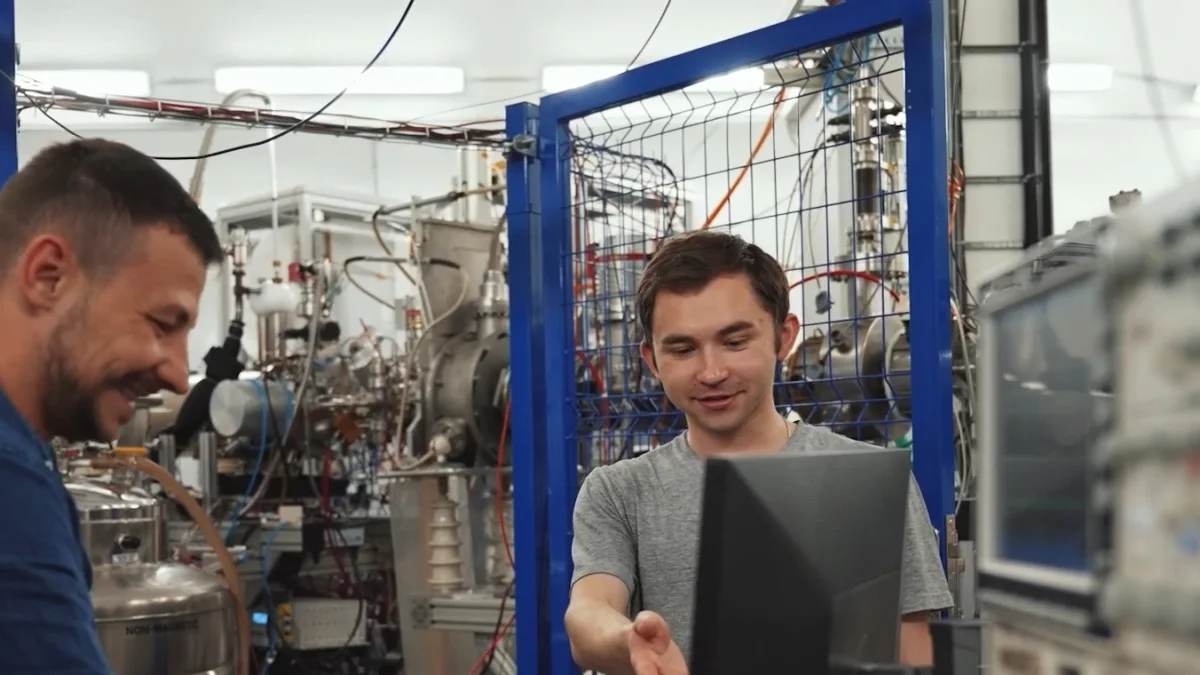
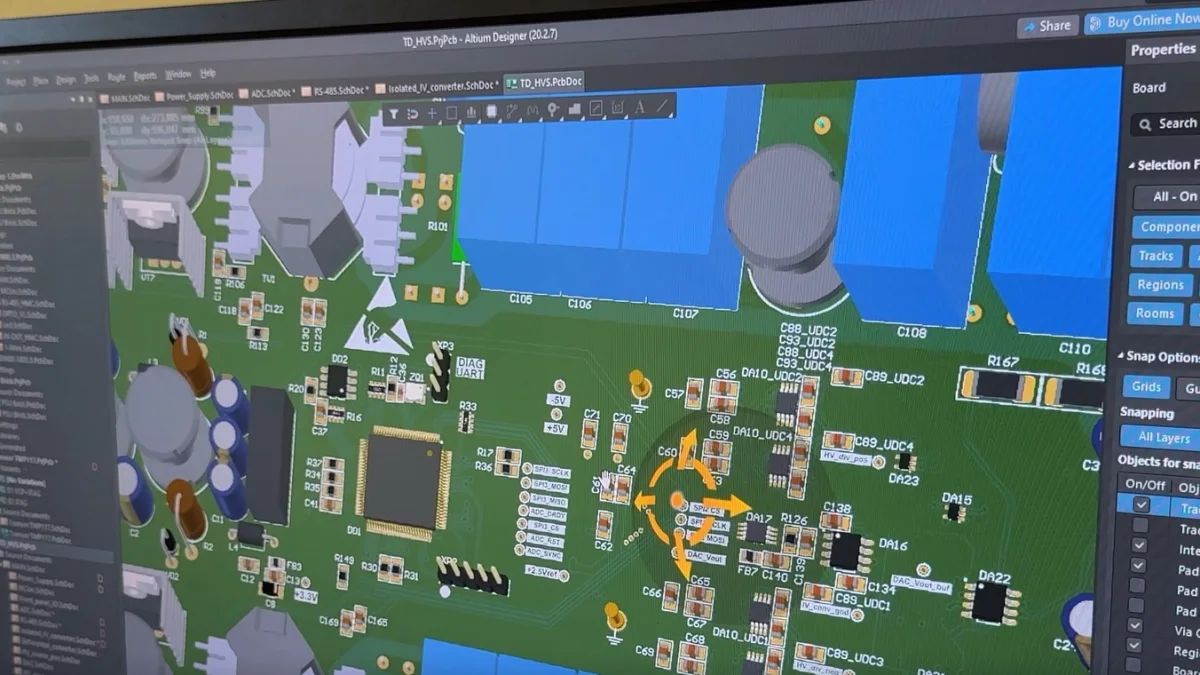
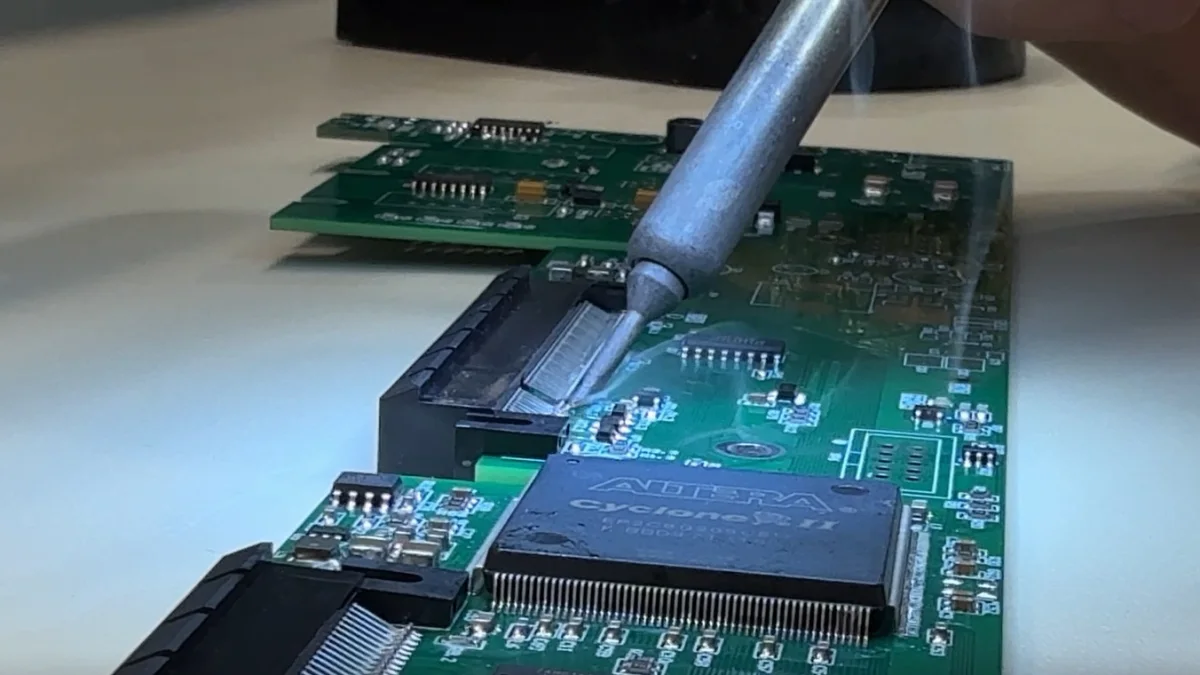
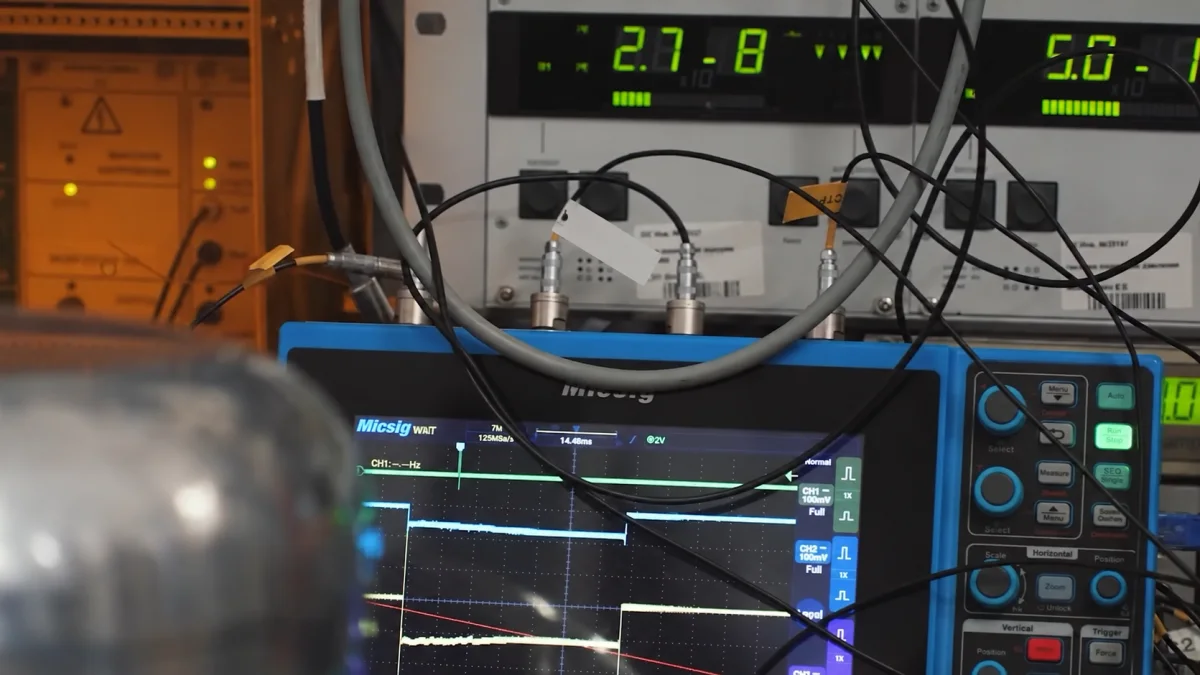
From control logic to cabinet assembly
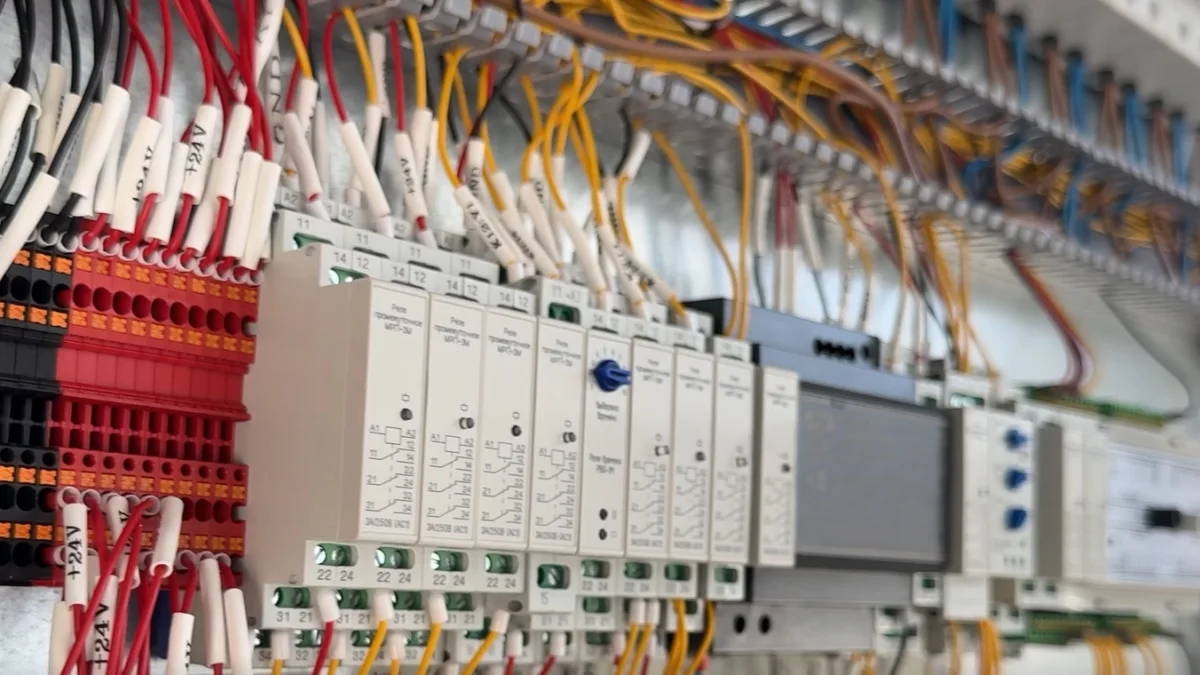
Power distribution, PLC modules and field connections come together in the control cabinet. Assembly, identification and access are reviewed against the project documentation.
The cabinet photograph is an assembly example. Component selection and verification requirements are defined for each project.
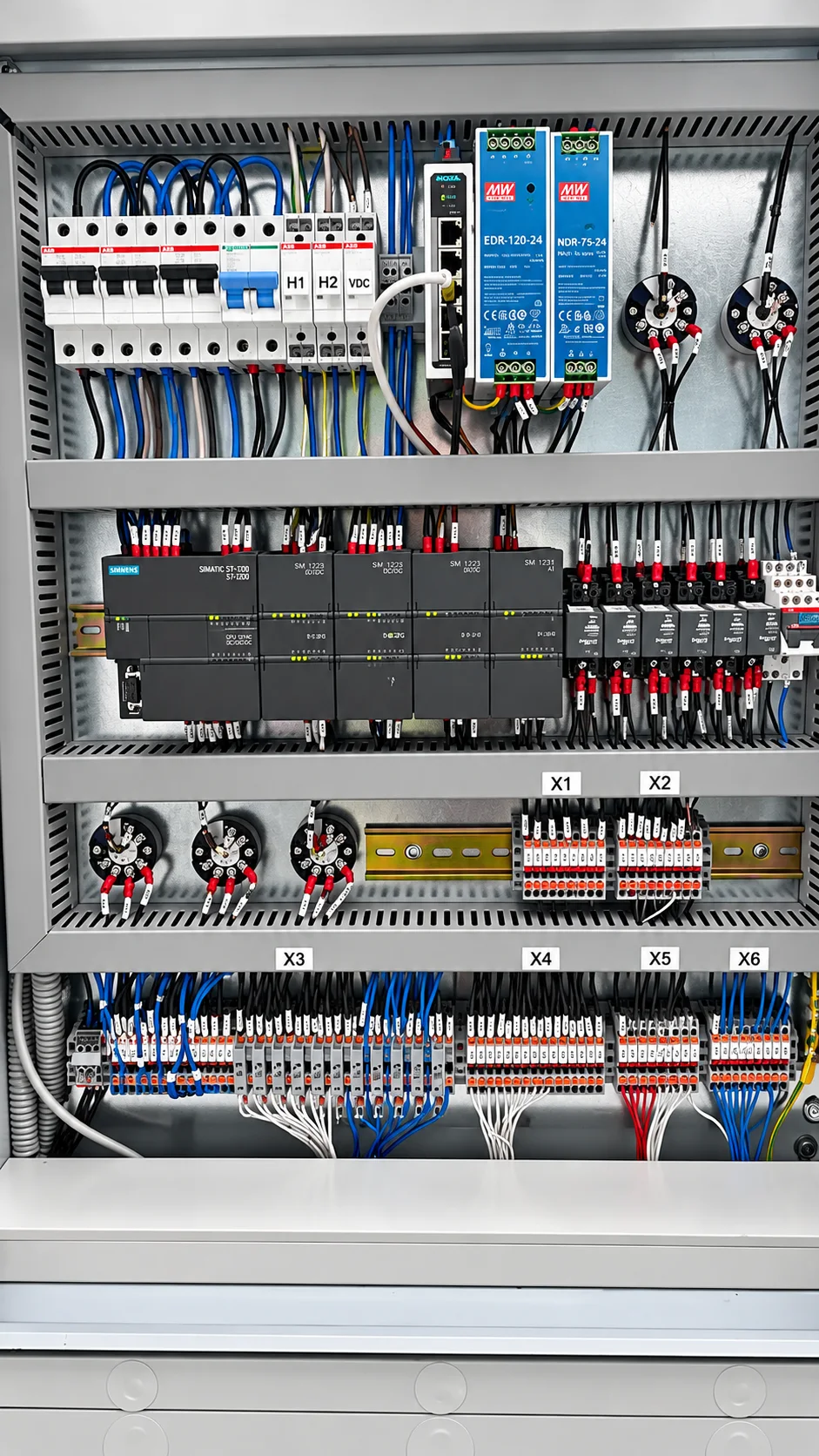
Control cabinet assembly. PLC modules, power supplies and field wiring.
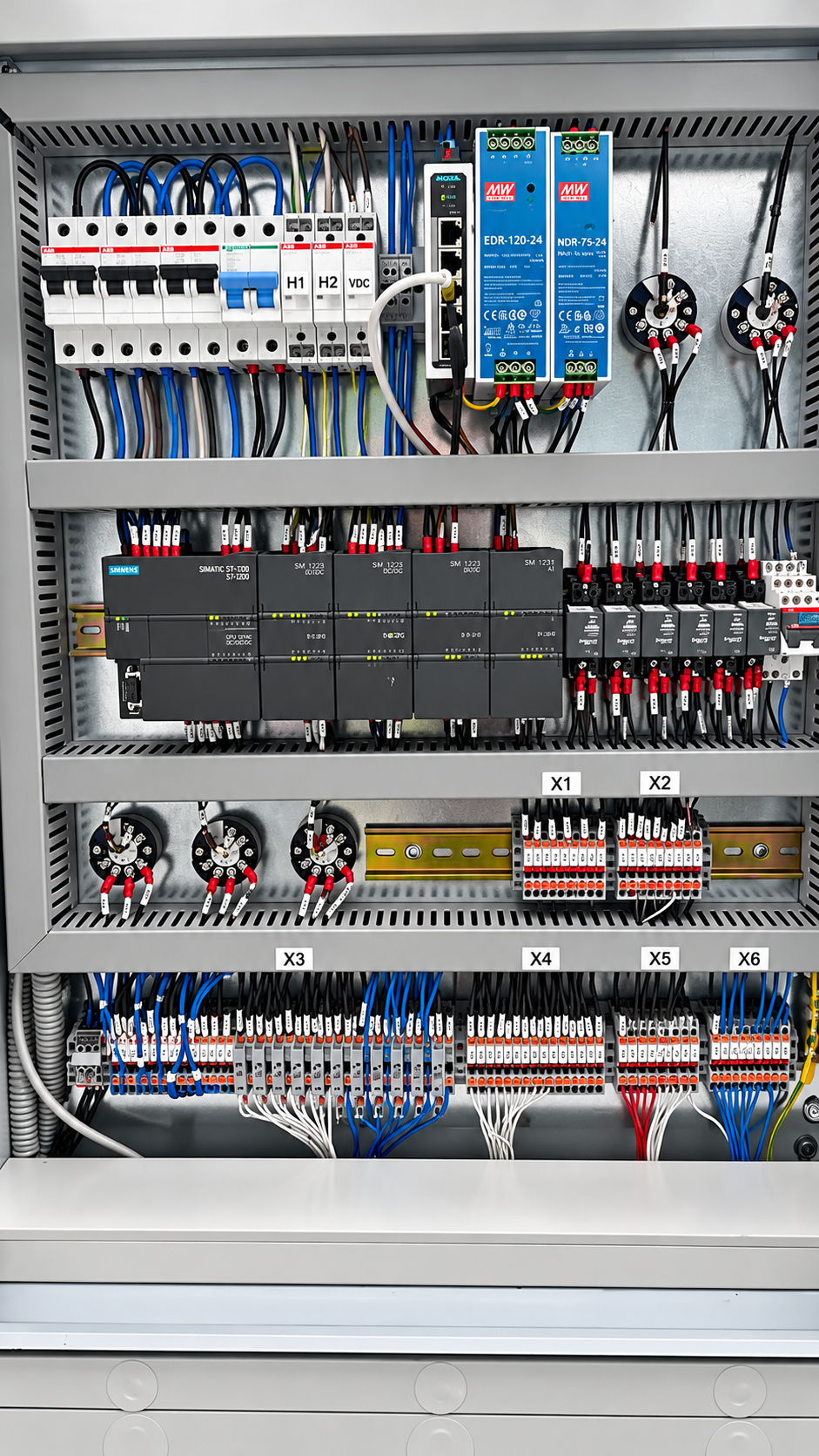
These photographs document engineering workflow. Scope, design responsibility, testing criteria and acceptance requirements are agreed for each project.
Cryogenic field service
Cryogenic engineering and on-site service
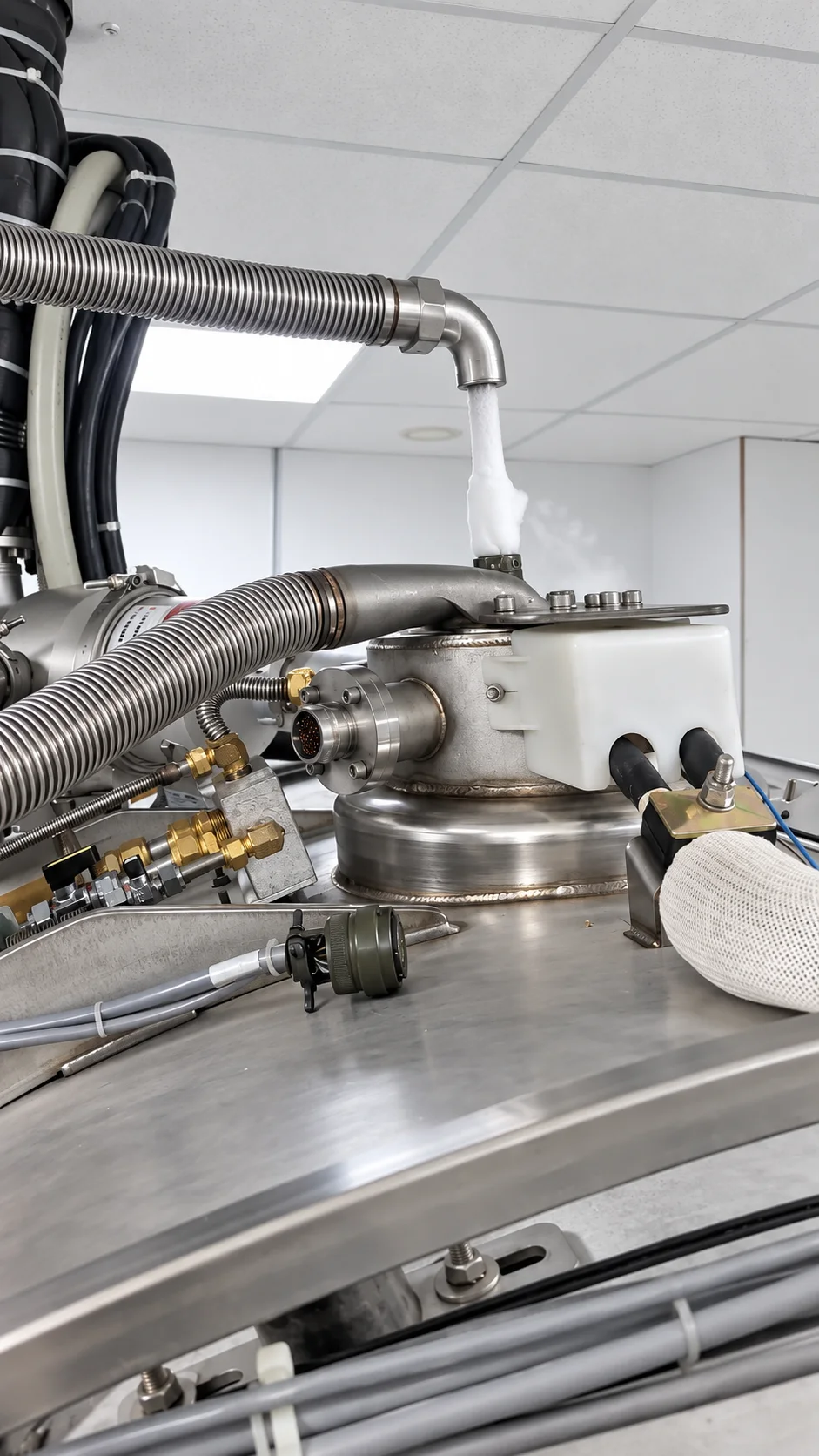
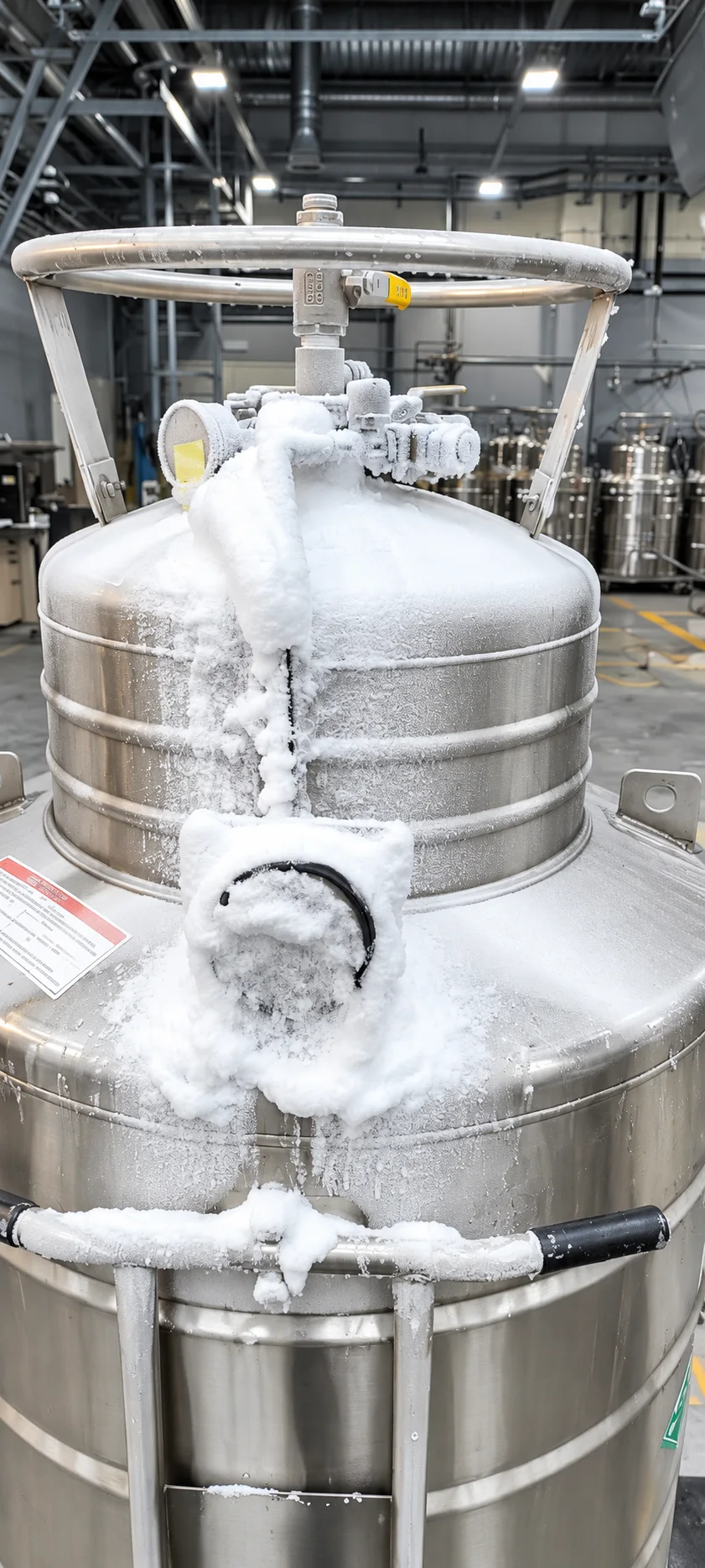
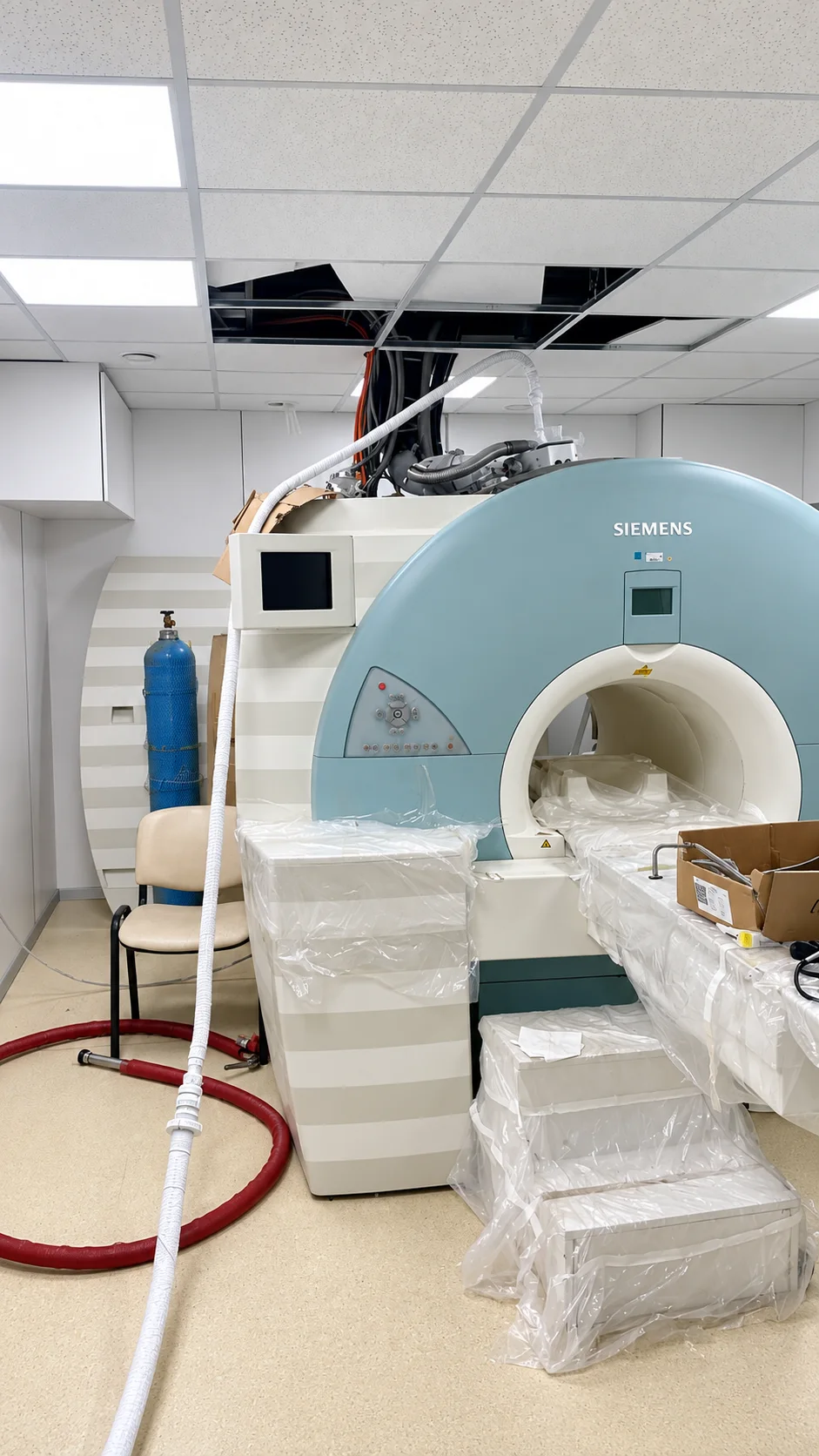
Liquid-helium work is planned around the equipment, access conditions, transfer interface, safety controls and the agreed service record.
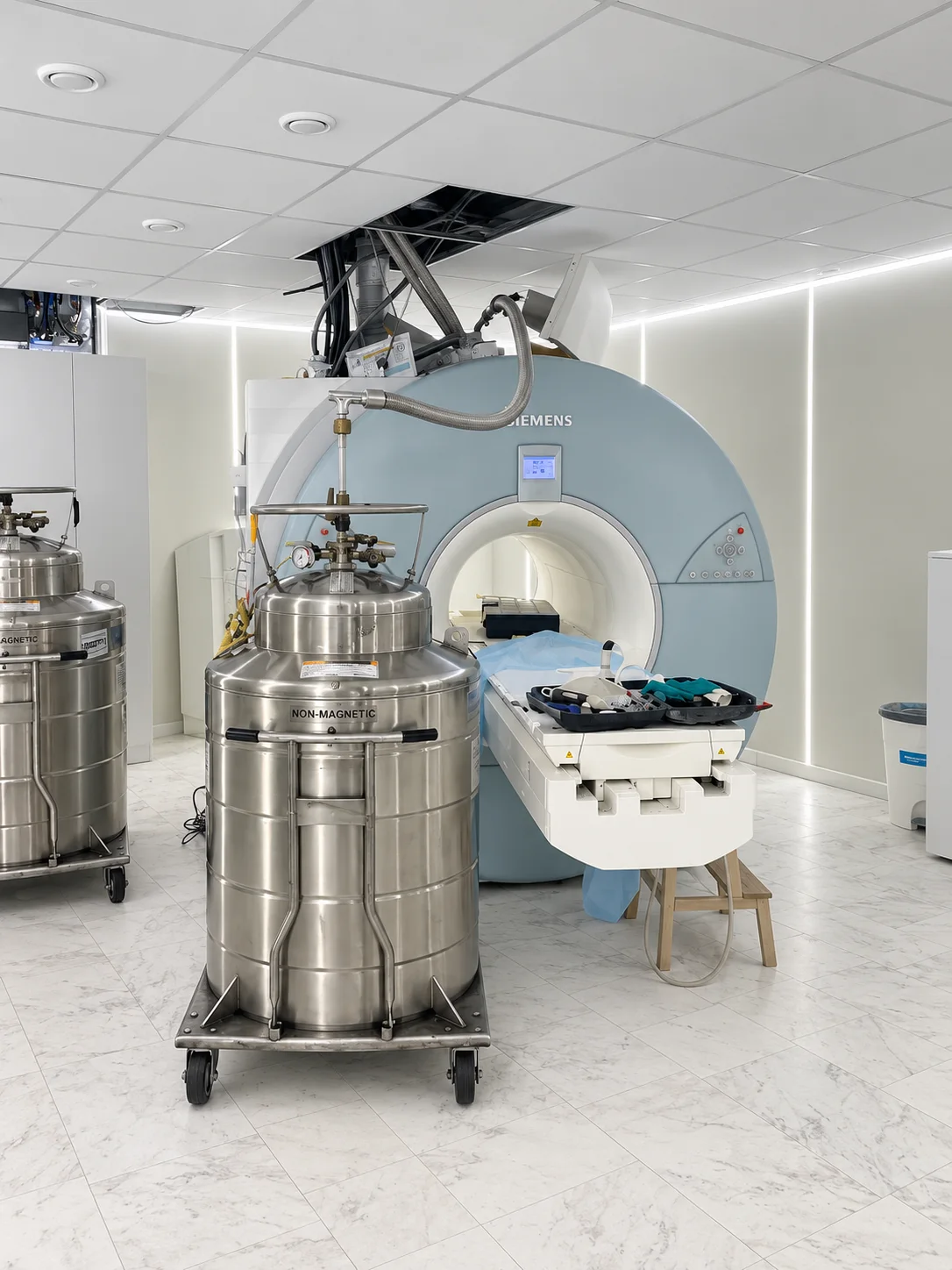
One controlled sequence from access review to handover.
- 01Site assessment
- 02Dewar and transfer-line preparation
- 03Controlled helium transfer
- 04Handover and service record
Vessel engineering, repair and manufacturing
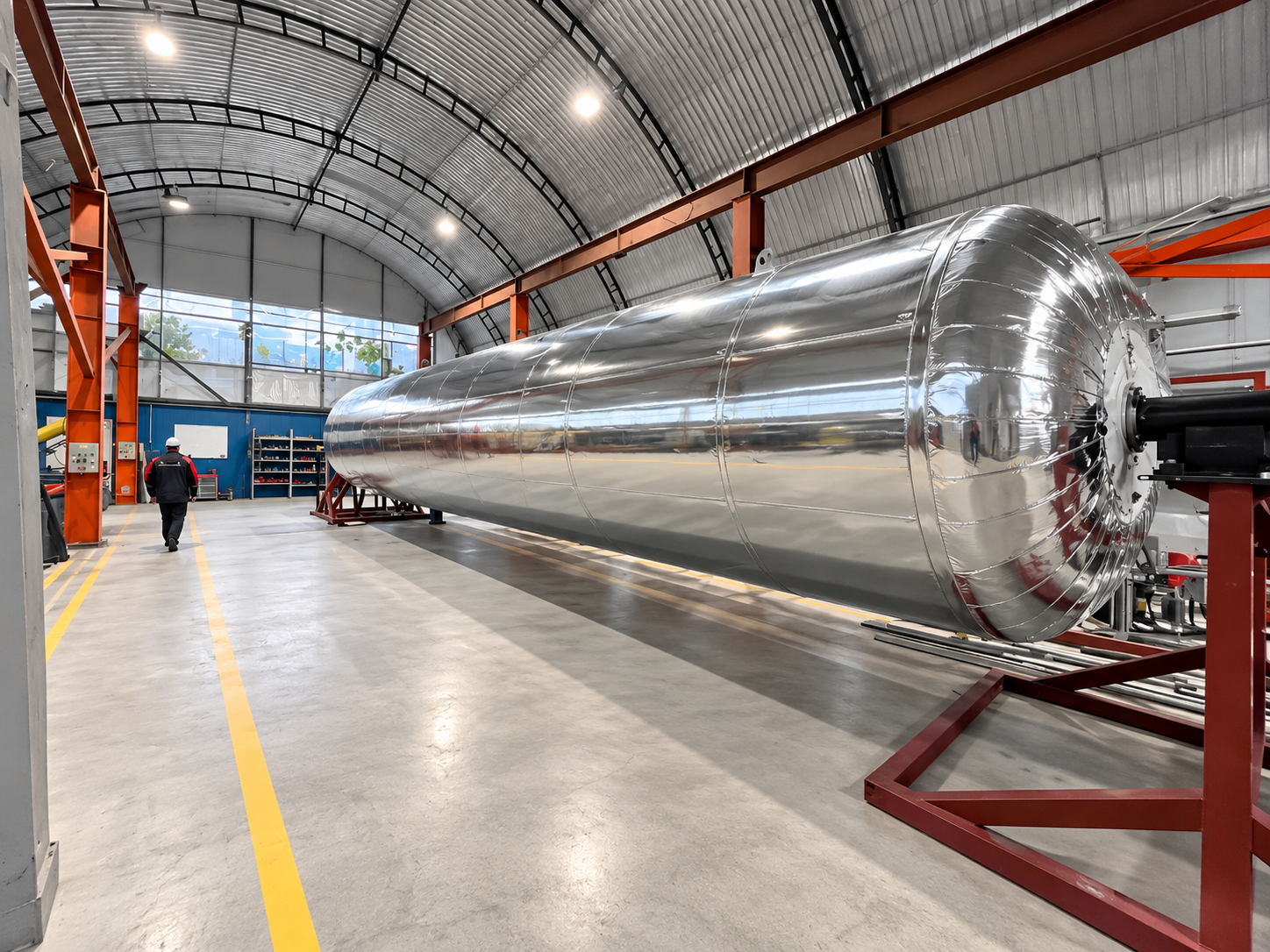
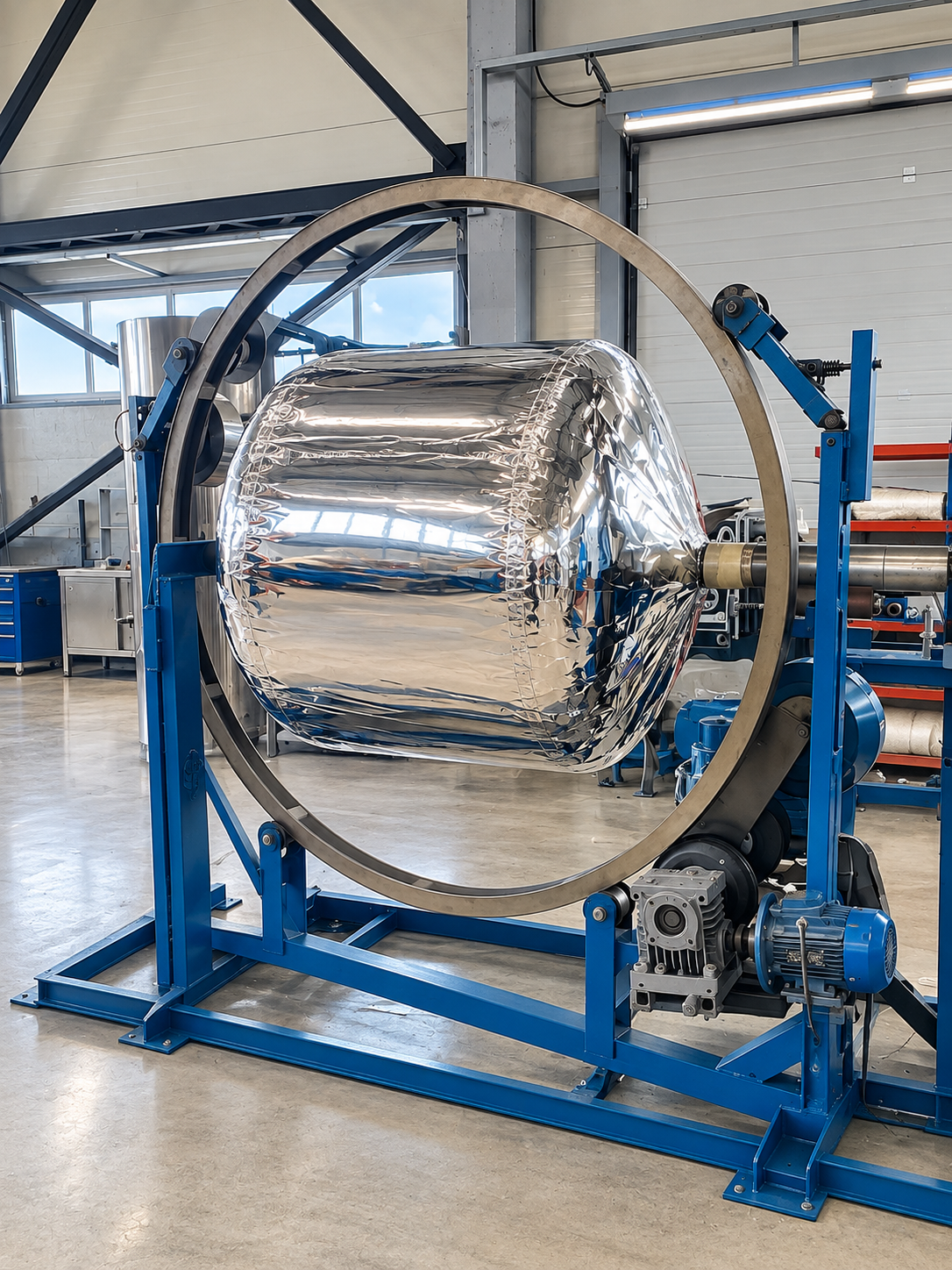
Separate workshop services remain available for cryogenic vessels and are defined around service conditions, construction, operating history and the required acceptance basis.
01
Engineering, assessment and repair
Condition review, repair planning, modification design, vacuum-system evaluation and leak-testing scope for cryogenic vessels.
02
Small cryogenic vessel manufacturing
Development and production of compact cryogenic vessels based on proprietary patented designs and project-specific operating requirements.
Design, material, fabrication, examination and approval requirements are defined for the intended service and jurisdiction. Patent and technical documentation is provided where applicable to the agreed project.
Discuss a vessel projectOne method does not fit every leak.
The test method follows the equipment, pressure condition, required sensitivity and whether the task is screening, localization or quantification.
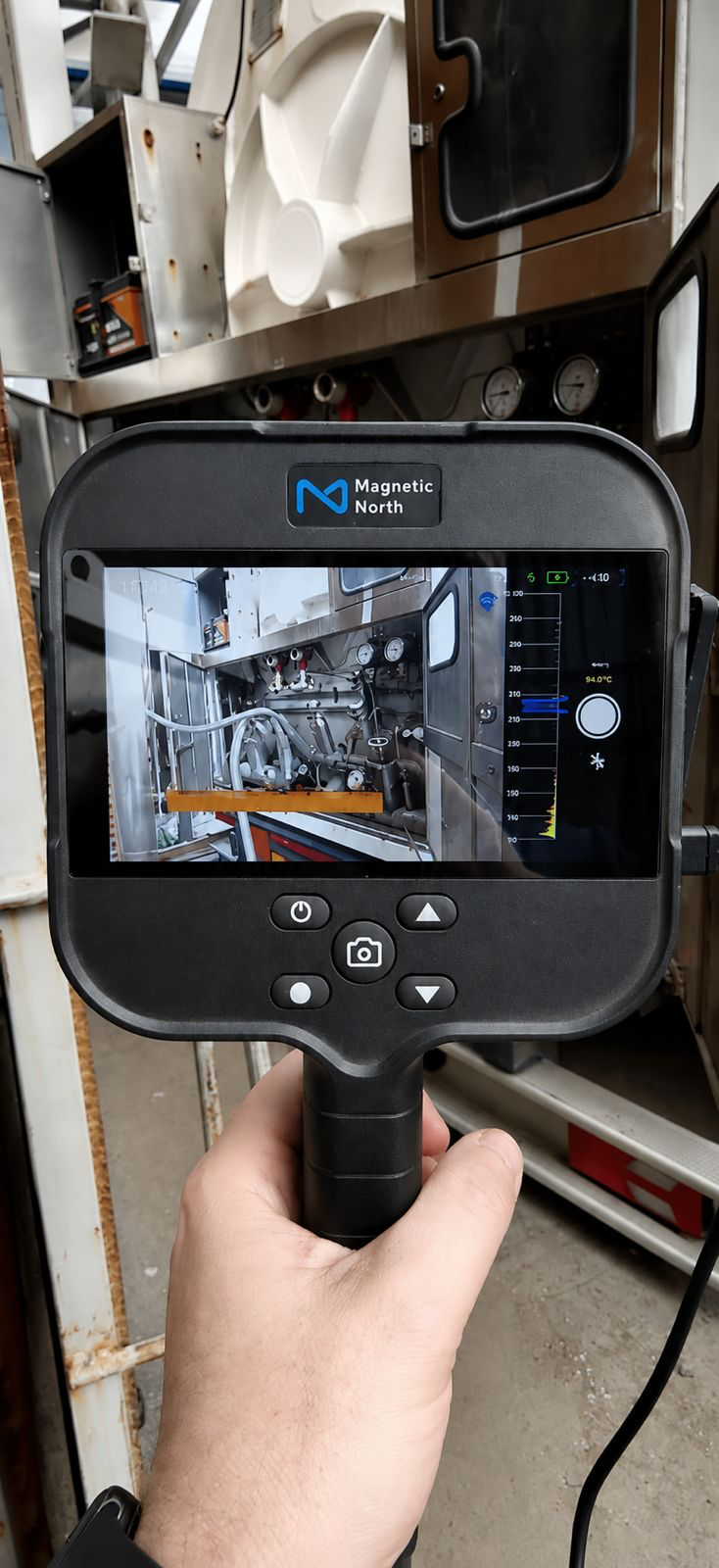
Acoustic imaging survey
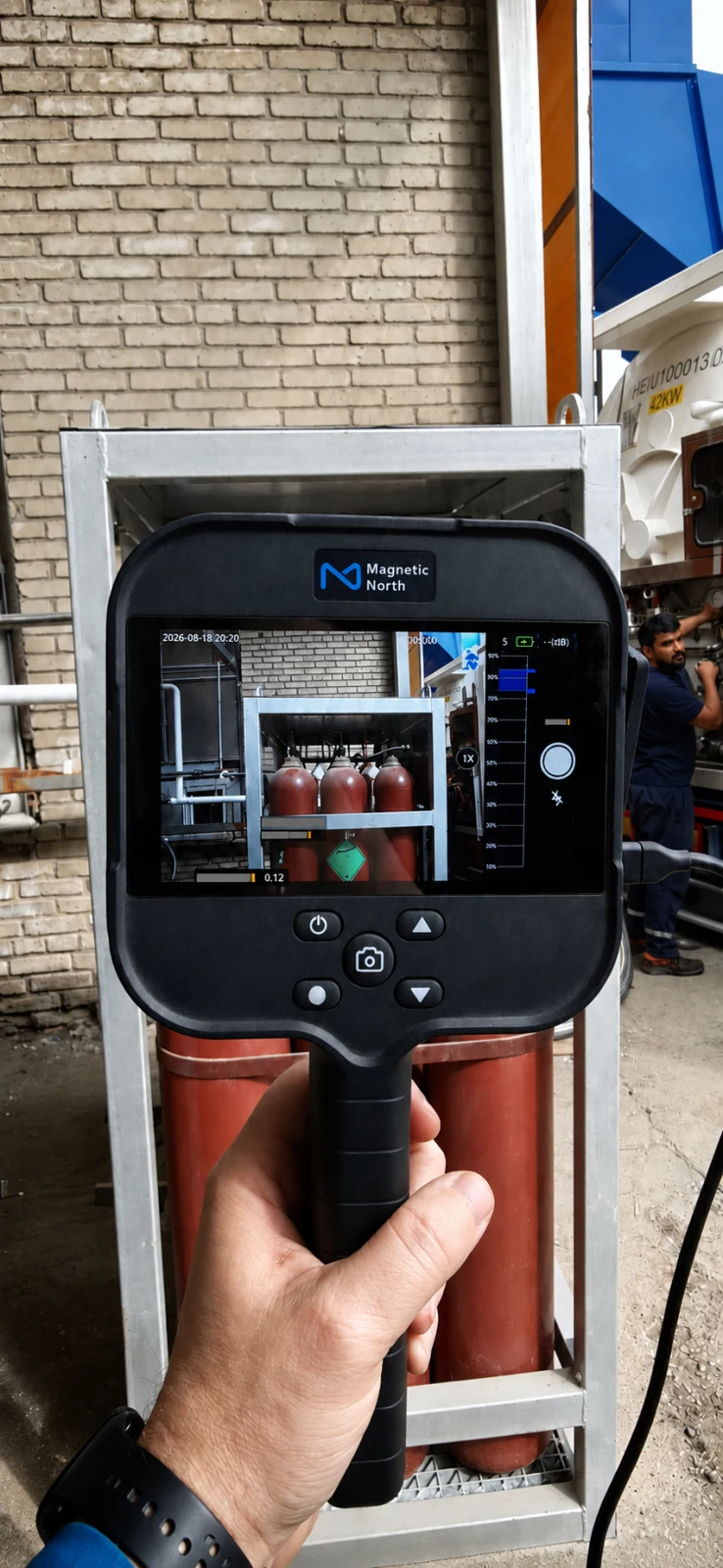
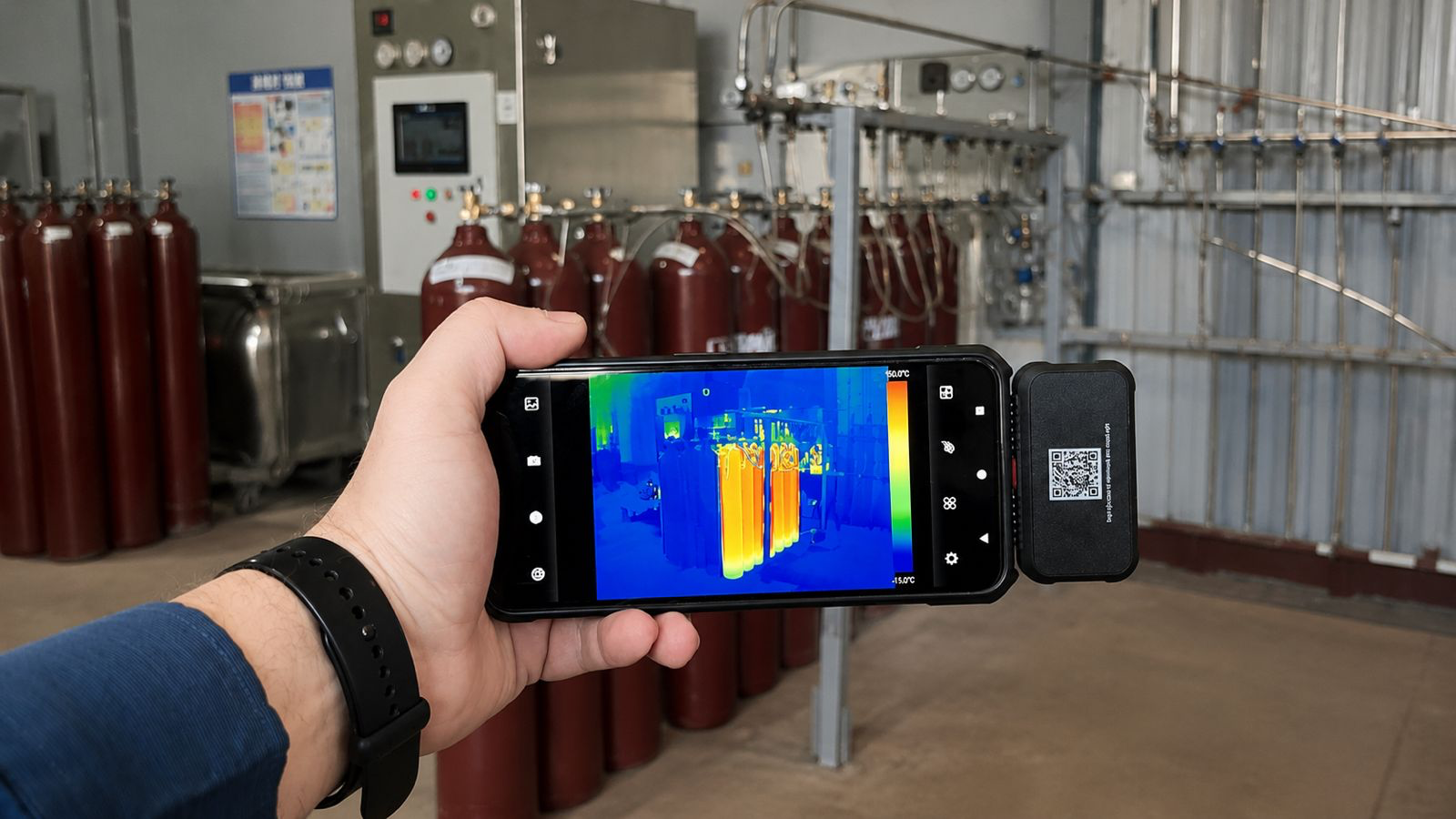
A microphone array visualizes sound sources and helps locate leaks in compressed gas and vacuum systems during a broad survey.
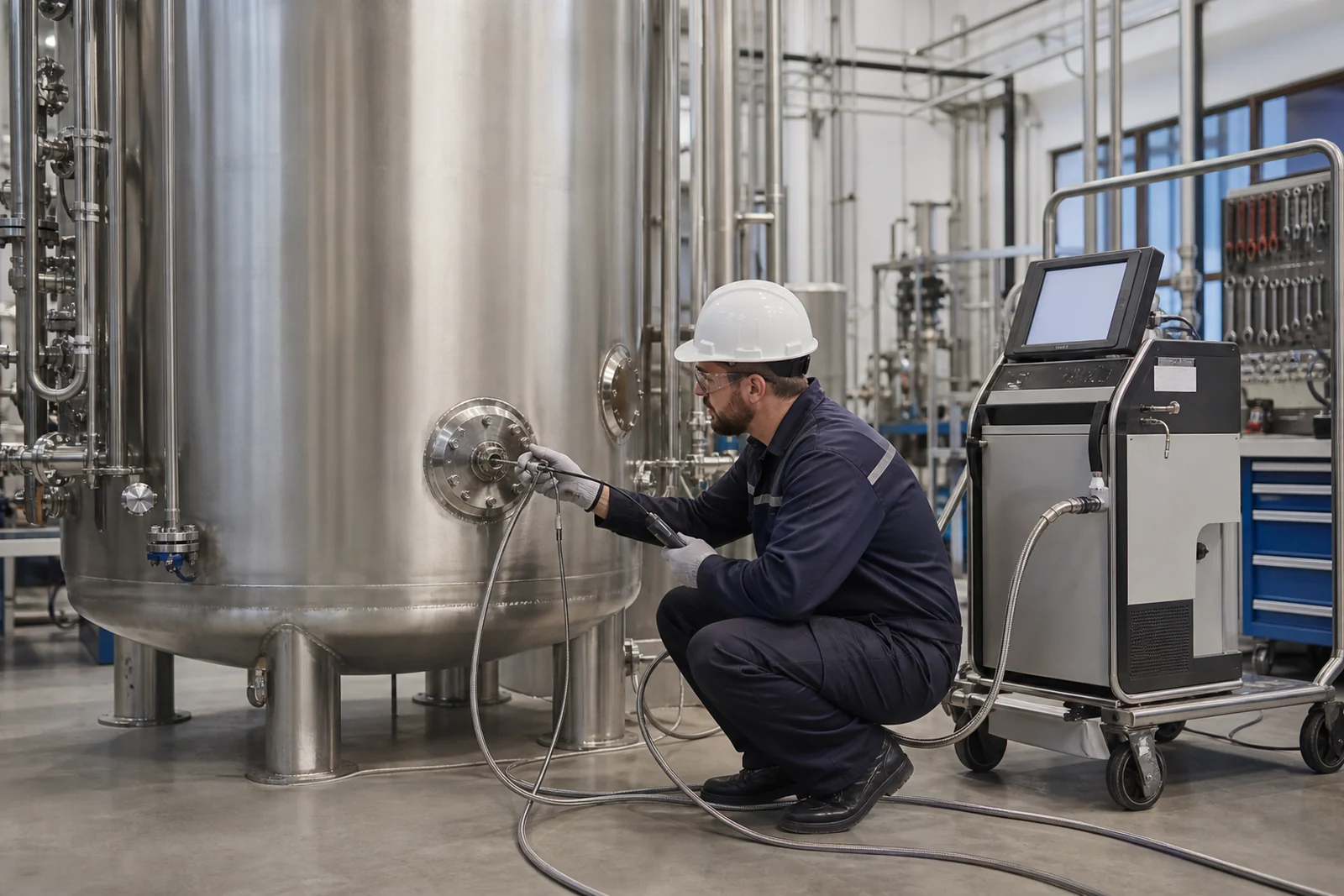
Helium mass spectrometry
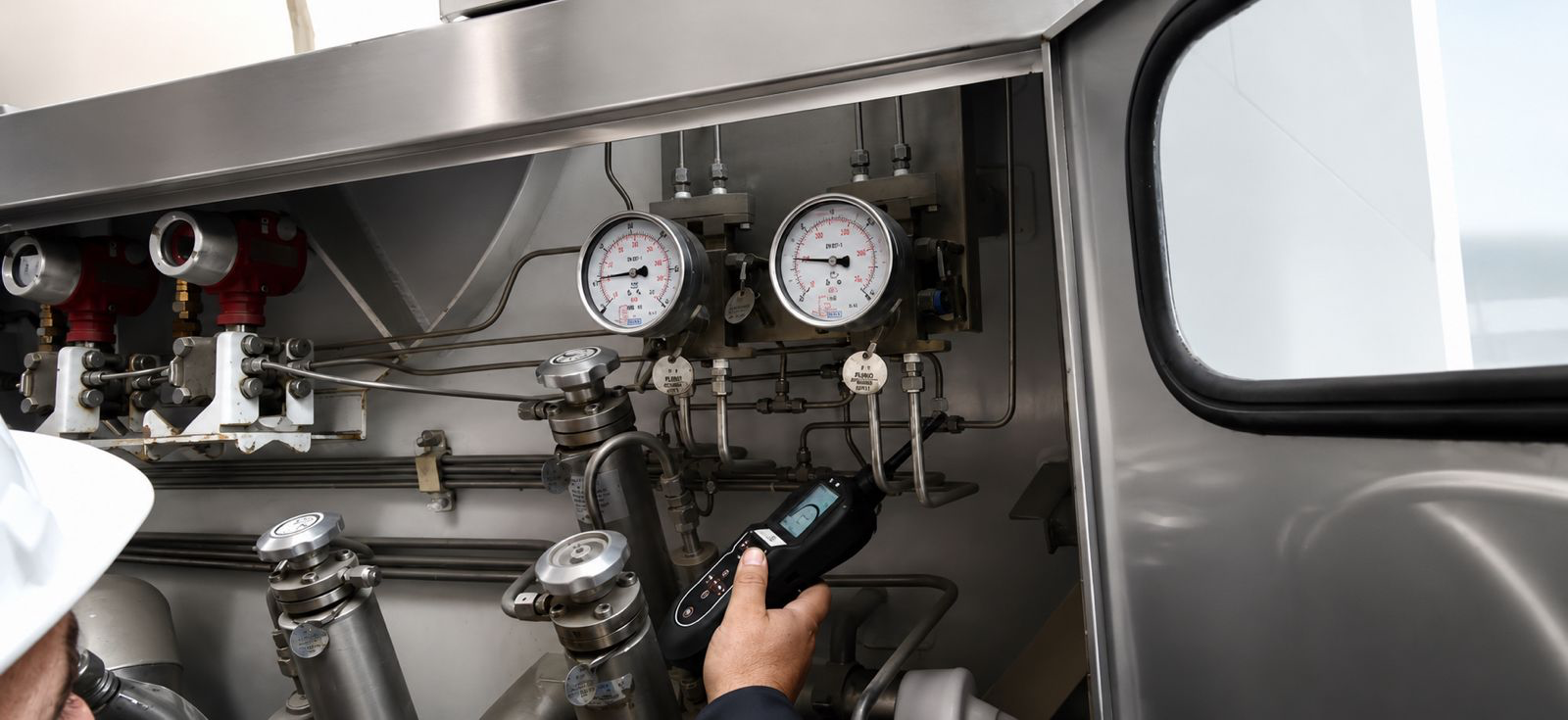
Vacuum spray and positive-pressure sniffer techniques support sensitive local testing of welds, flanges, valves and vacuum jackets.
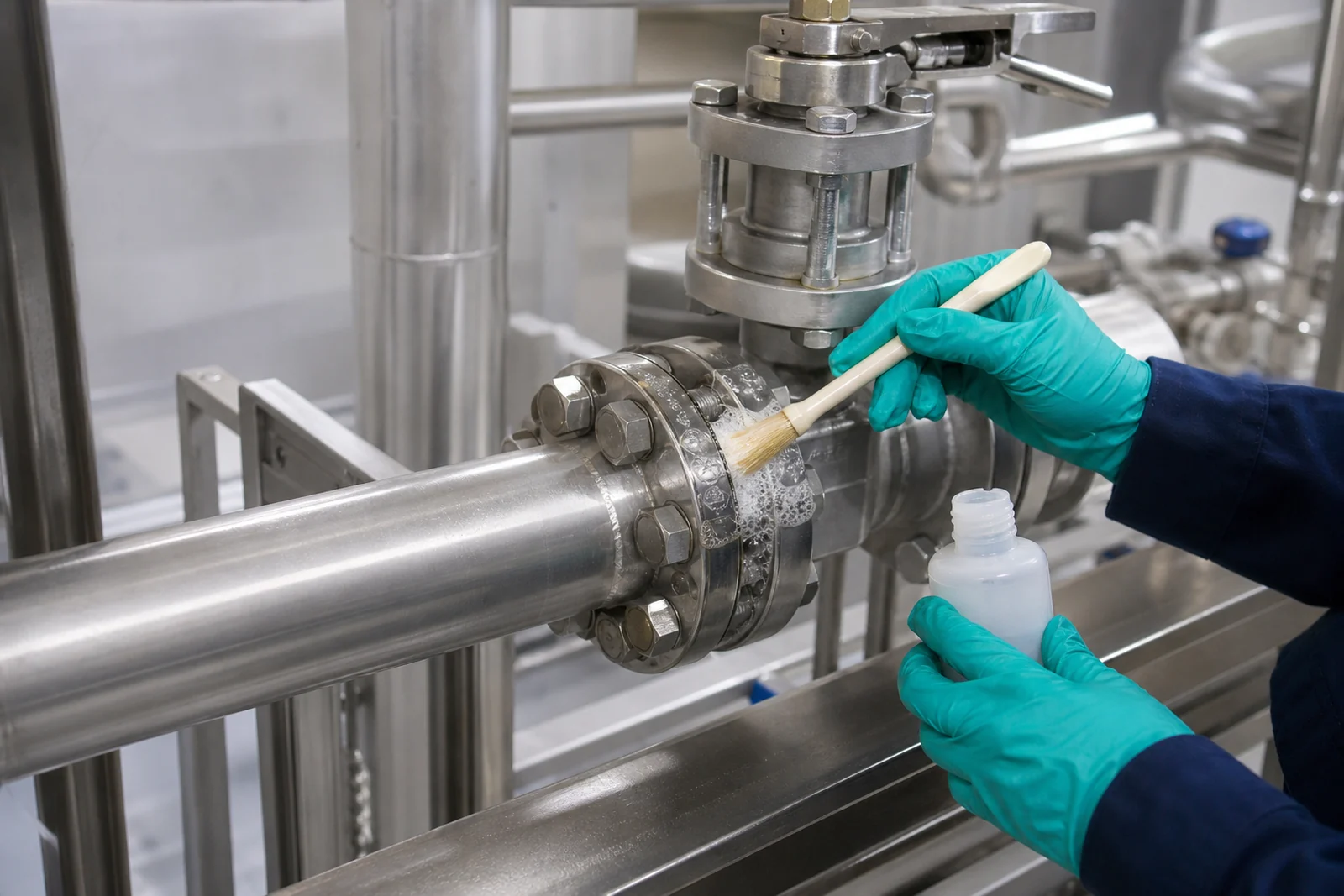
Bubble leak testing
An approved foaming solution provides direct visual confirmation at accessible joints and suspected leak points under suitable pressure conditions.
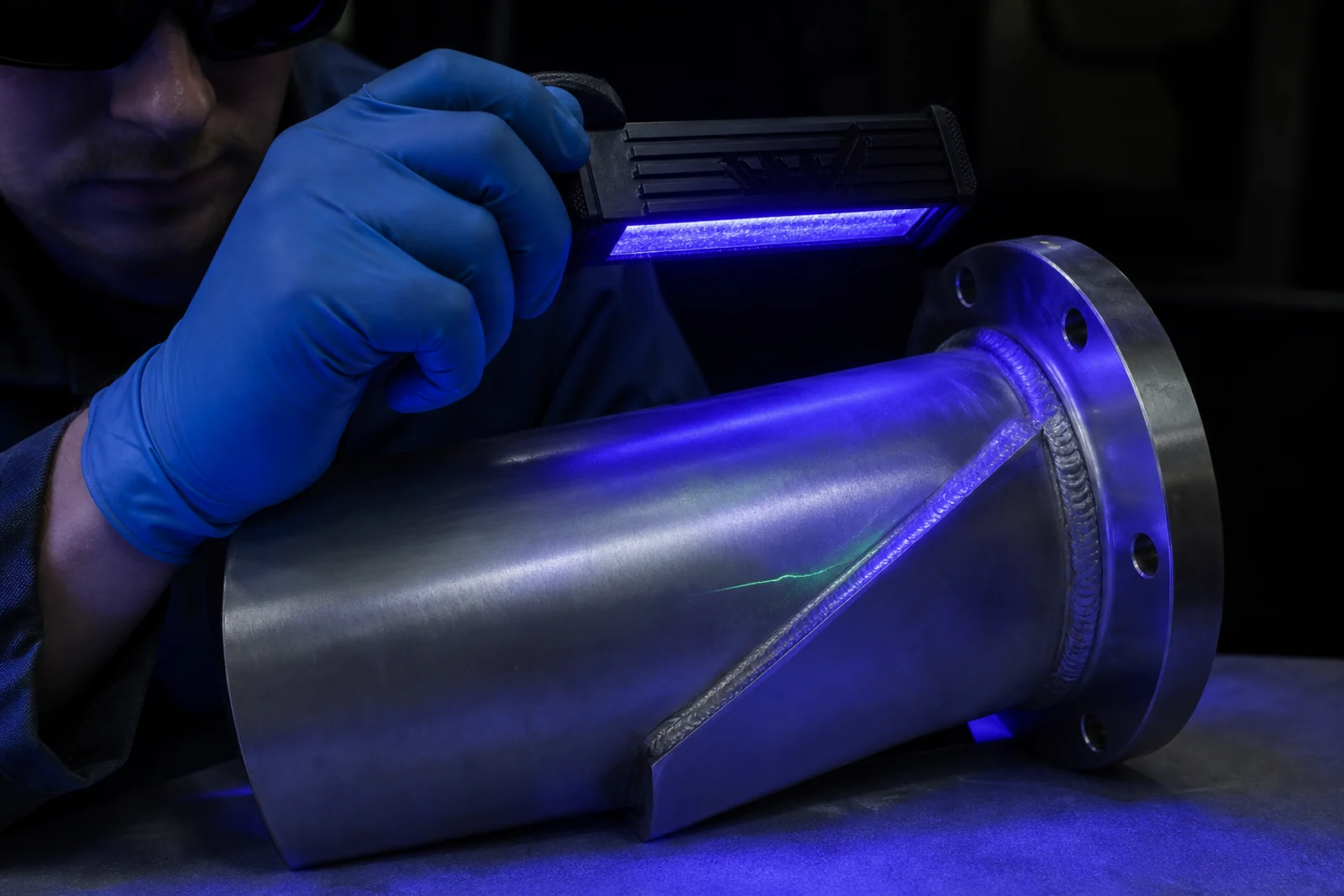
Fluorescent penetrant inspection
UV-A examination of fluorescent penetrant indications helps reveal fine surface-breaking discontinuities on suitable nonporous materials.
Pressure and cryogenic assets
Inspection follows the asset and its approval regime.
We define the examination scope around construction, service history, applicable rules and the decision the inspection must support.
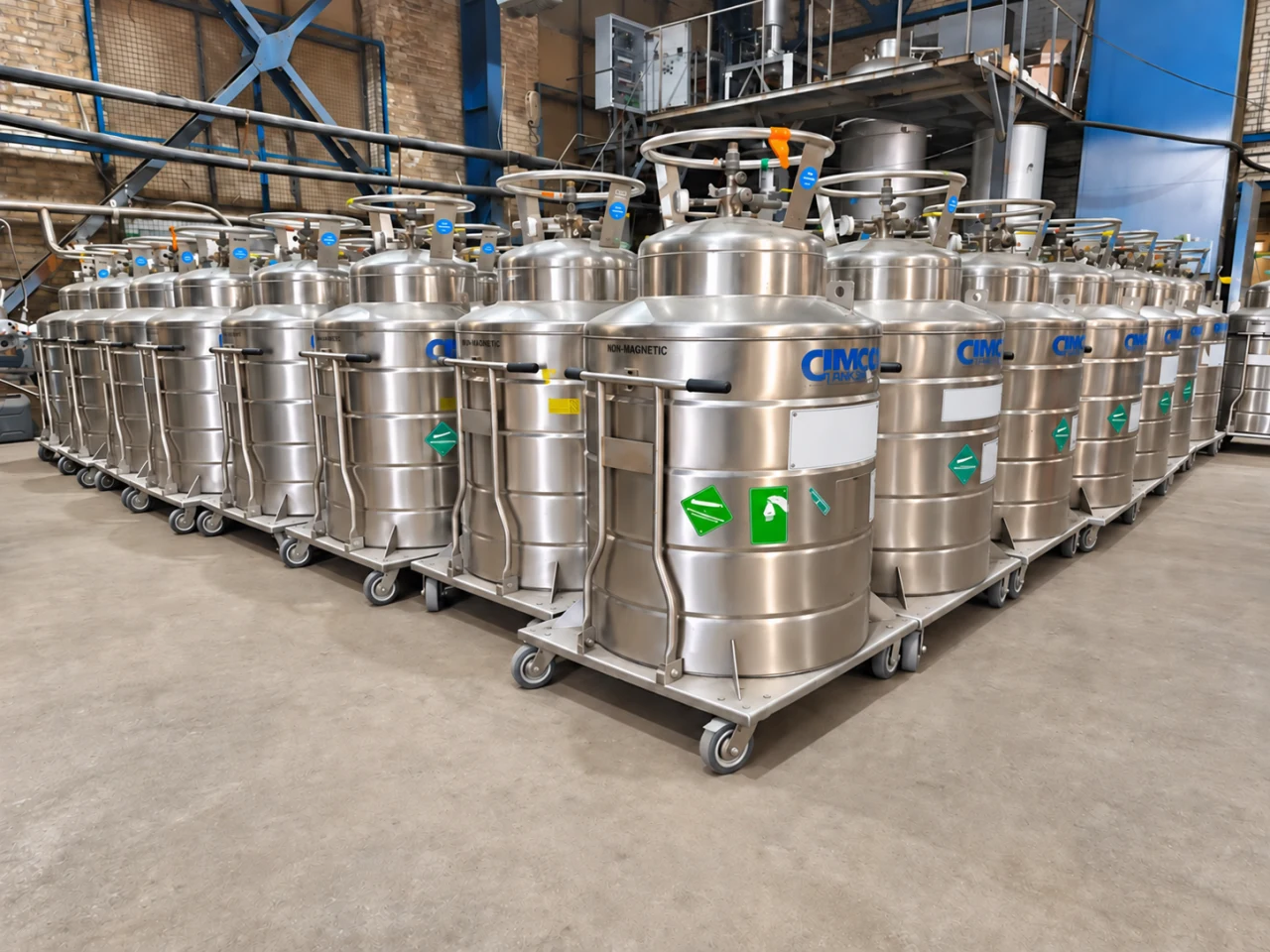
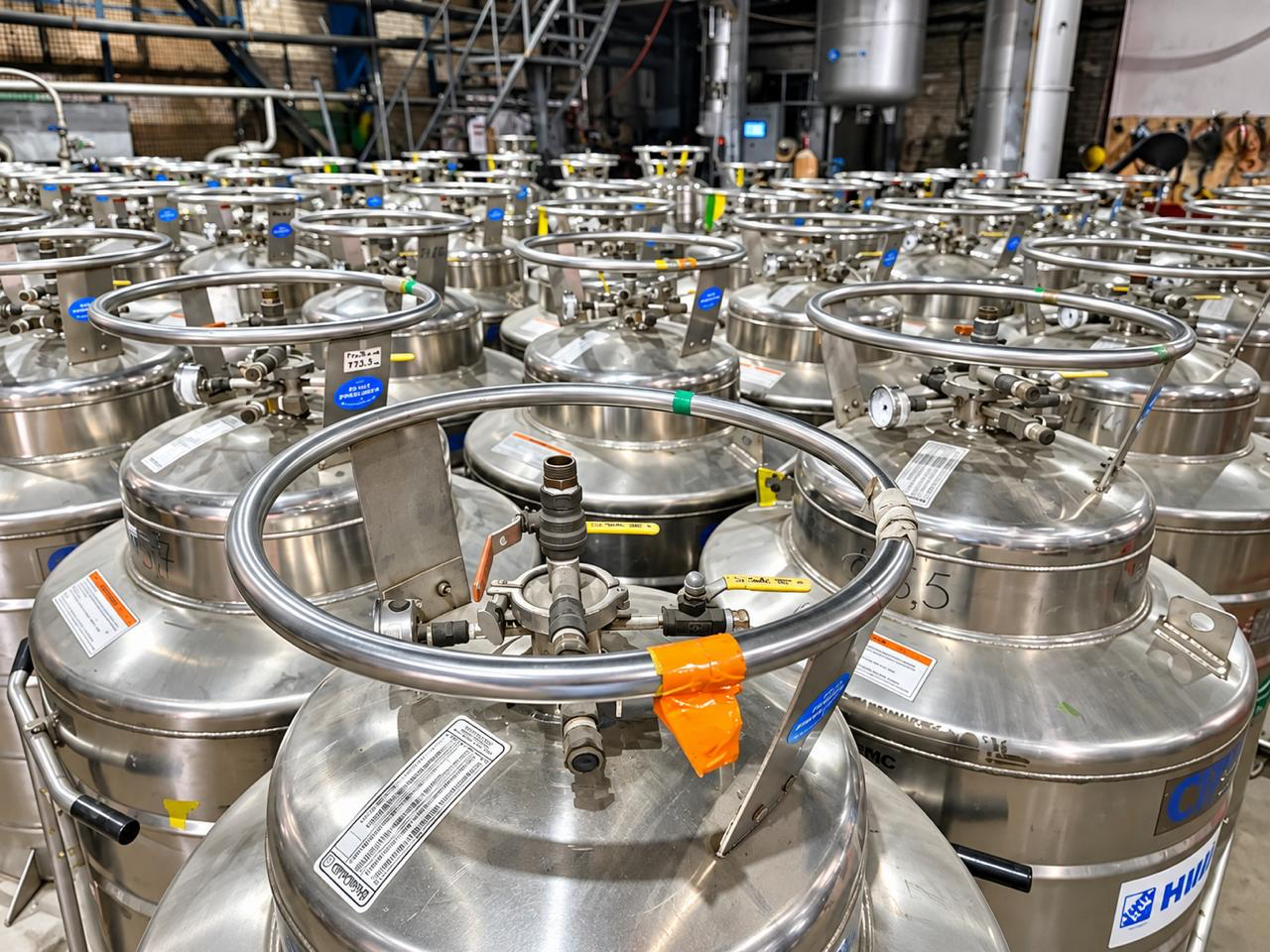
Dewars and vacuum-insulated vessels
Vacuum-jacket integrity, welds, flanges, valves, safety devices and supporting leak-test records.
Tube trailers and P-50 type systems
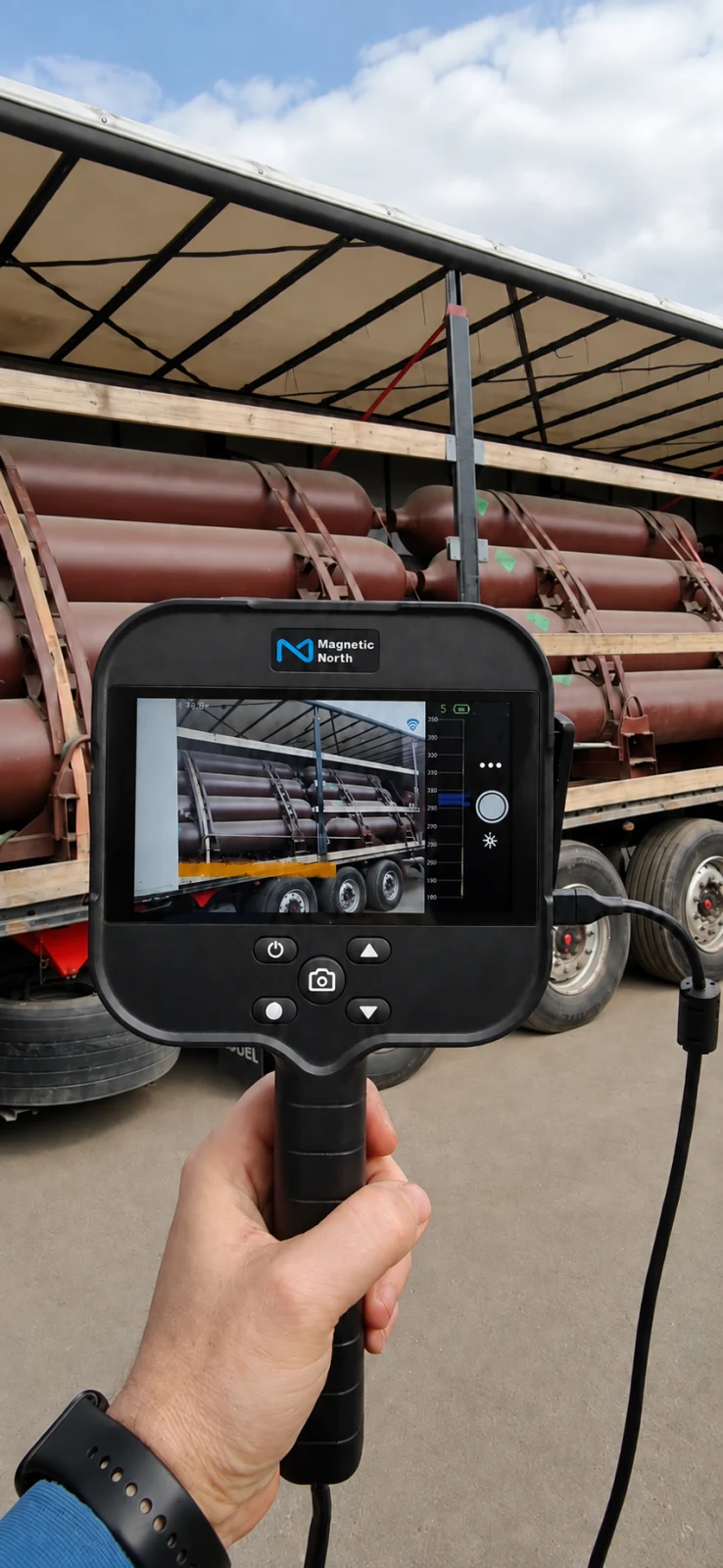
Acoustic emission examination with follow-up ultrasonic assessment where required by the applicable inspection procedure.
Tank containers
Inspection planning for the vessel, frame, valves, fittings, safety devices, markings and technical documentation.
Statutory inspection, certification and approval are performed within the applicable authorized framework agreed for each asset and jurisdiction.
Need an engineering or inspection scope?
Send equipment data, operating conditions, drawings, location and the required decision or acceptance basis. Our tube trailer, T50 and T75 inspection guide lists the records and site information that make a service RFQ actionable.