
Electronic specialty gas
TMSTMS (Trimethylsilane)
Ultra-high-purity trimethylsilane enquiries built around trace moisture, hydrocarbon, silane and metal limits for the intended semiconductor process.
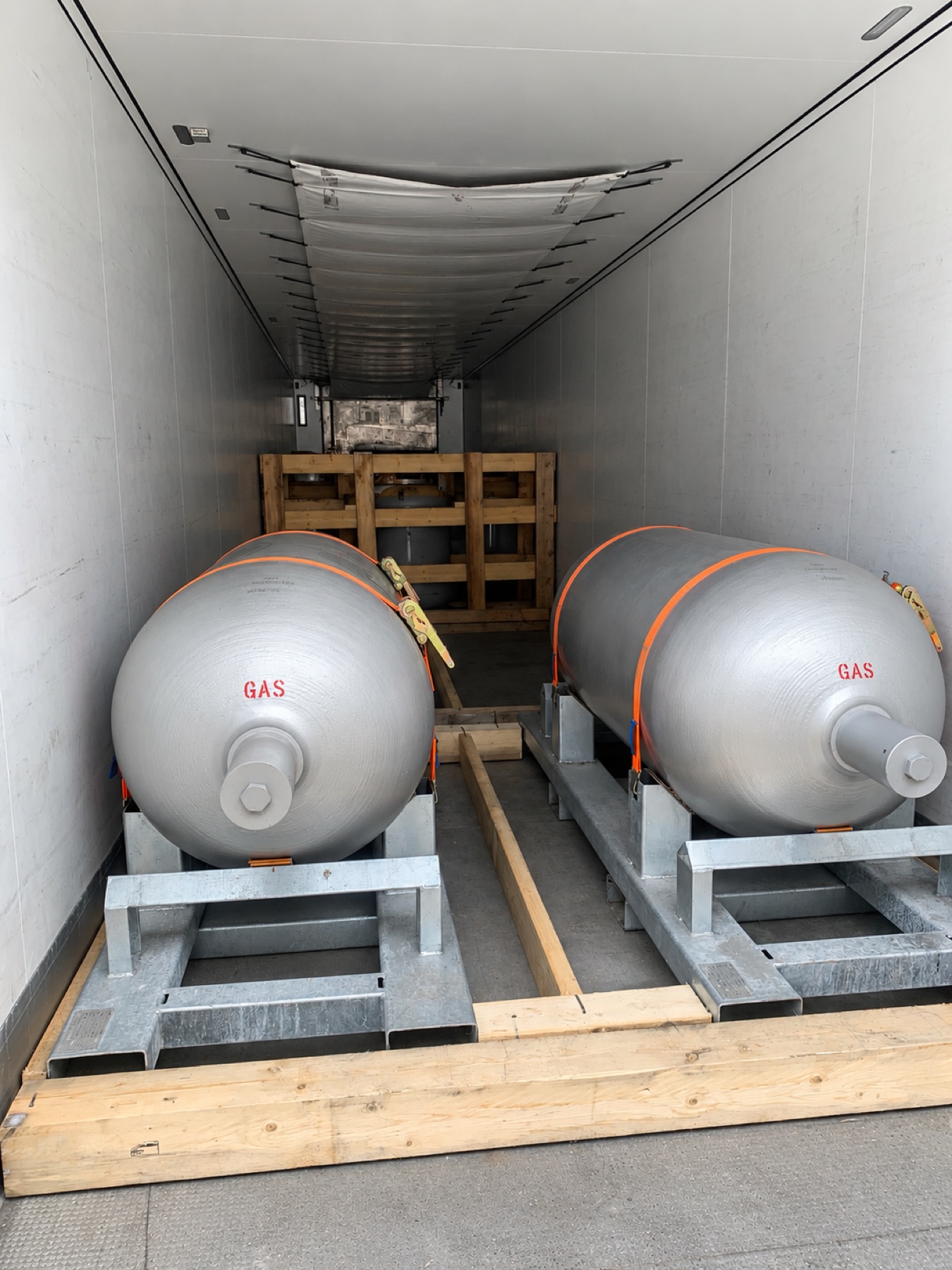
Semiconductor processing
The impurity profile is part of the product.
A TMS requirement is more than a headline purity. Moisture, total hydrocarbons, silane species and specified metals have separate limits and analytical methods. The enquiry should identify the process, required quantity, package, destination and any tighter acceptance criteria.
Quality parameters
Typical product specification
| Parameter | Typical limit | Method |
|---|---|---|
| TMS purity | ≥99.999% | GC |
| Moisture (H2O) | ≤1 ppm | Moisture meter |
| Total hydrocarbons | ≤1 ppm | GC |
| SiH4 | ≤2 ppm | GC |
| Other methylsilanes | ≤2 ppm | GC |
| N2 | ≤1 ppm | GC |
| Other chlorosilanes | ≤1 ppm | GC |
| CO2 | ≤1 ppm | GC |
| O2 + Ar | ≤2 ppm | GC |
| CO | ≤2 ppm | GC |
| Specified metallic impurities | ≤5 ppb each | ICP-MS / ICP-OES |
Quality boundary. Values above describe a typical product specification. Final product quality is defined only by the agreed specification and the Certificate of Analysis for the specific batch. Review our quality documentation approach and available packaging formats.
Methods of analysis
Gas-phase and trace-metal control.
Gas chromatography (GC) is used for purity and gaseous impurities; moisture is measured with a dedicated moisture meter; specified metals are assessed by ICP-MS or ICP-OES as applicable.
For a useful quotation
Define the analytical acceptance criteria.
Share the process context and identify which gas-phase, moisture and metal limits must appear in the commercial specification and batch CoA. See the semiconductor process-gas guide for the product-specific RFQ structure.
Start a TMS enquiry- Required quantity
- Target purity and impurity limits
- Application and end use
- Preferred cylinder or container
- Tare ownership
- Destination country and city
- Required delivery date
- Required documents
Acceptance planning
Methods and reporting limits belong in the RFQ.
Where a process depends on a particular detection limit, analytical phase or list of metals, state it before quotation. The typical table is a starting point. The agreed specification, sampling basis and batch CoA define the material released for delivery.
TMS procurement FAQ
Define more than headline purity.
Trace moisture, hydrocarbons, silane species and metals require separate attention.
Why is TMS purity not enough to define acceptance?
The specification separately controls moisture, hydrocarbons, silane species, other gases and specified metallic impurities. The process determines which limits and methods are critical.
Which analytical methods are listed for TMS?
Gas chromatography is used for purity and gaseous impurities, a moisture meter for water, and ICP-MS or ICP-OES for specified metals as applicable.
Which TMS packages can be reviewed?
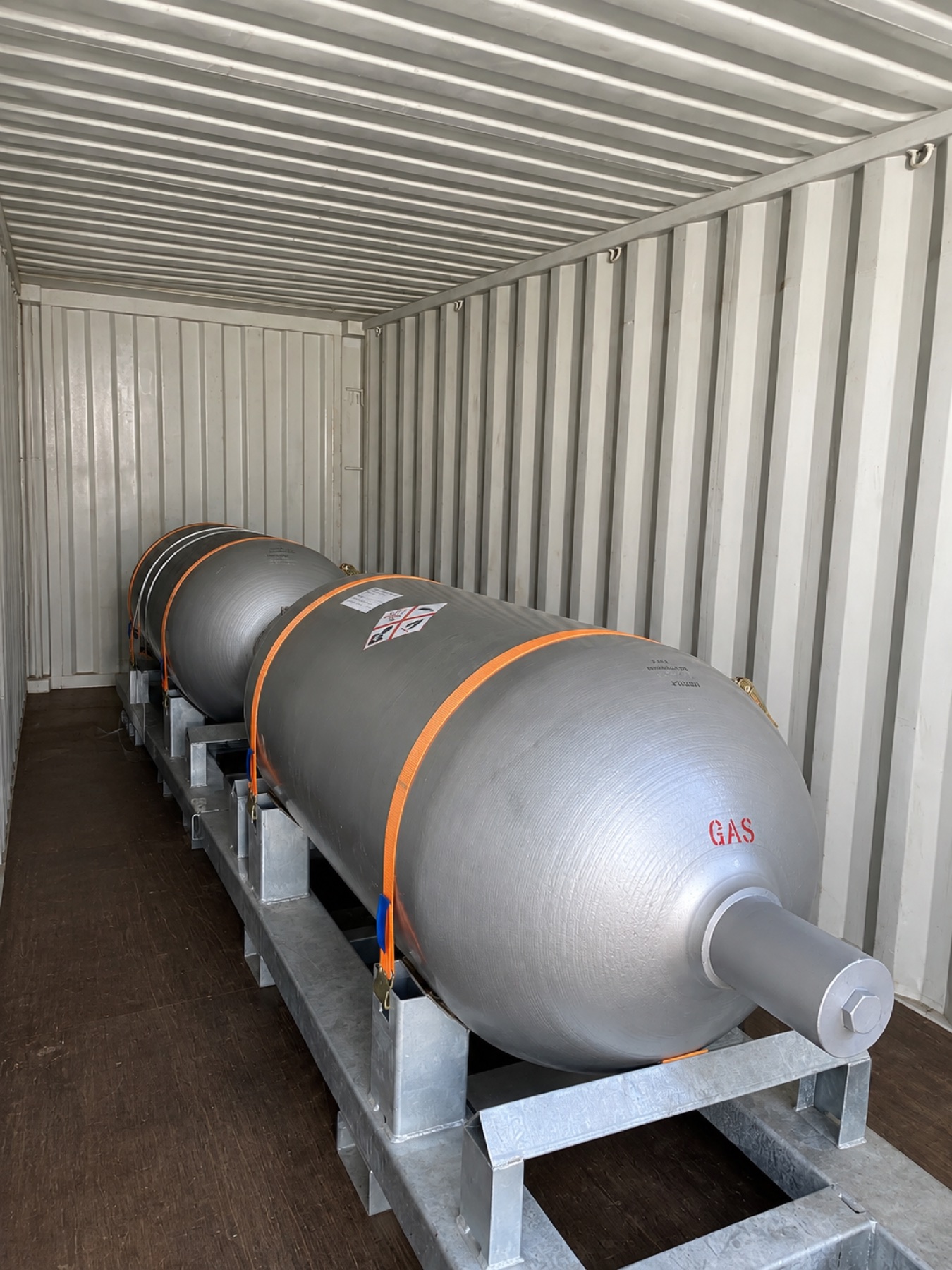
TMS enquiries can be reviewed in a steel cylinder or special-gas container, subject to quantity, filling basis, valve, ownership, route and receiving compatibility.
What defines the quality of a delivered TMS batch?
The agreed product specification defines acceptance and the Certificate of Analysis for the specific batch provides the release results.