Argon Grade 5.0
≥99.999%High-purity industrial and technical applications.
Industrial and high-purity gas
Ar · 18Gaseous and liquid argon enquiries structured around quality, quantity, package, tare ownership, destination and delivery terms.

Two supply paths
Gaseous argon is reviewed for cylinders, 12 or 16 cylinder bundles, or 64 × 50 L quads, with 150, 200 or 300 bar working pressure selected against the package.
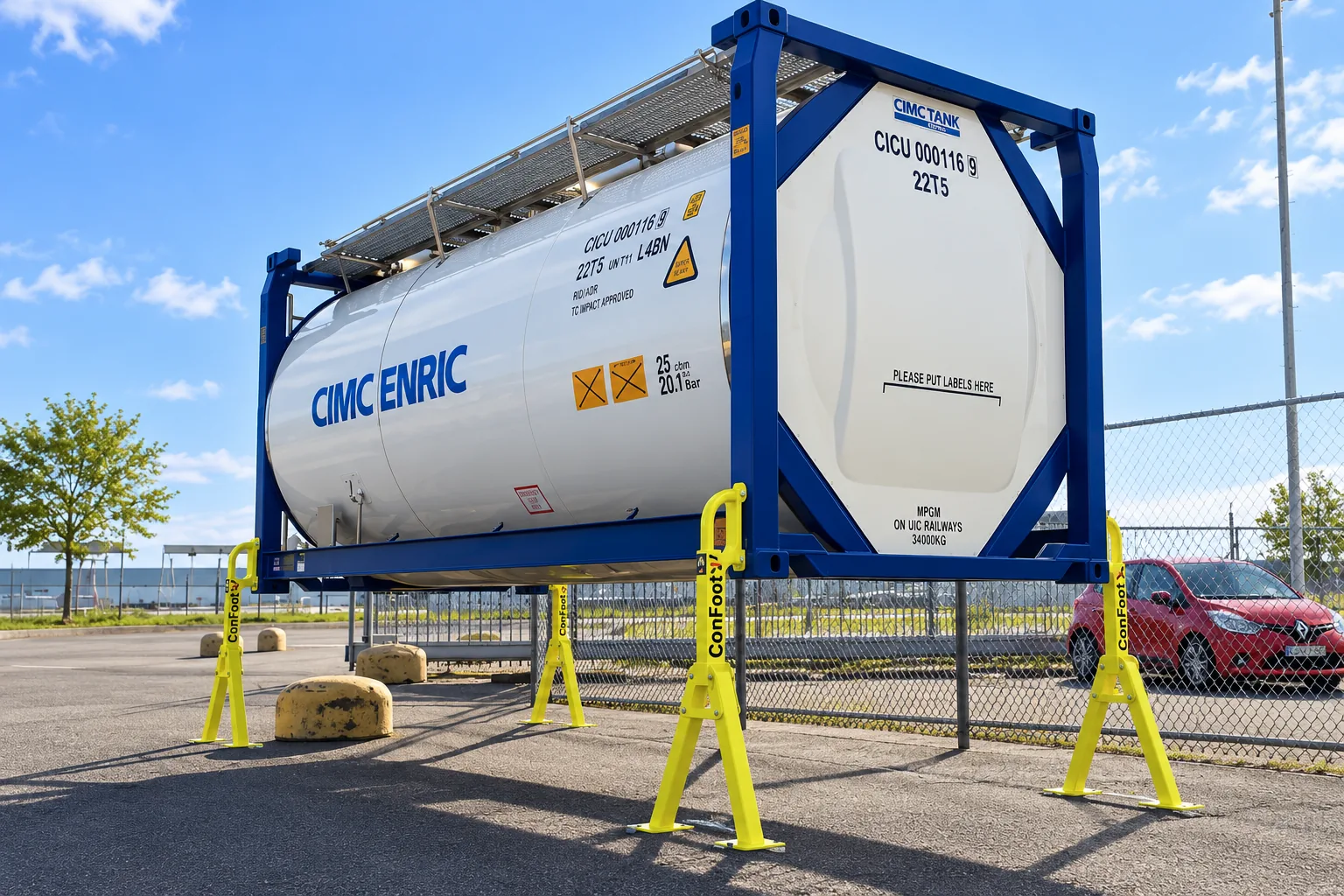
Liquid argon is reviewed for bulk transport in a cryogenic ISO tank container. Tank suitability, usable quantity, route, receiving infrastructure and handover method must be confirmed for each project.
Quality starting points
High-purity industrial and technical applications.
Applications requiring tighter total impurity control.
Ultra-high-purity supply subject to full specification review.
Quality boundary. Grade describes a purity starting point, not the complete impurity profile. Final product quality is defined only by the agreed specification and the Certificate of Analysis for the specific batch. Compressed and refrigerated liquid argon use separate entries in the Safety Data Sheet register. Review our quality documentation approach and available packaging formats.
For a useful quotation
Select gaseous or liquid supply first. The RFQ will then show only compatible packaging fields. Use the argon gas and liquid RFQ guide to prepare ownership, receiving and return details.
Start an argon enquiryCommercial planning
Customer-owned cylinders or tanks require current technical records and filling acceptance. Supplier-owned packages require an agreed unloading period, return location and responsibility for empty return. For liquid argon, usable quantity, pressure, transfer interface and site readiness must be confirmed together.
Argon procurement FAQ
Quality, quantity, receiving infrastructure and ownership determine the practical supply path.
Gaseous argon is reviewed in cylinders, bundles or quads. Liquid argon is reviewed in a cryogenic ISO tank and requires compatible unloading infrastructure, connections and a complete tank-return plan.
Packaged enquiries can be reviewed at 150, 200 or 300 bar where the selected cylinder, bundle or quad and receiving equipment are compatible.
No. Grade 5.0, 6.0 or 7.0 states a minimum purity starting point. Individual impurity limits, methods and batch acceptance must be defined in the agreed specification and Certificate of Analysis.
Provide required quantity, tank ownership and certificates, pressure and connection data, receiving infrastructure, destination, unloading time, return point and responsibility for empty return.
Planning a quantity? Use Gas Calc for ordinary-gas mass and reference-volume estimates, and read the guide to litres, kilograms and reference conditions. Enriched isotopes and mixtures require separate data.