
Semiconductor etching gas
C4F6C4F6 (Hexafluorobutadiene)
High-purity hexafluoro-1,3-butadiene enquiries for plasma-chemical etching, with separate controls for gas-phase and liquid-phase impurities.
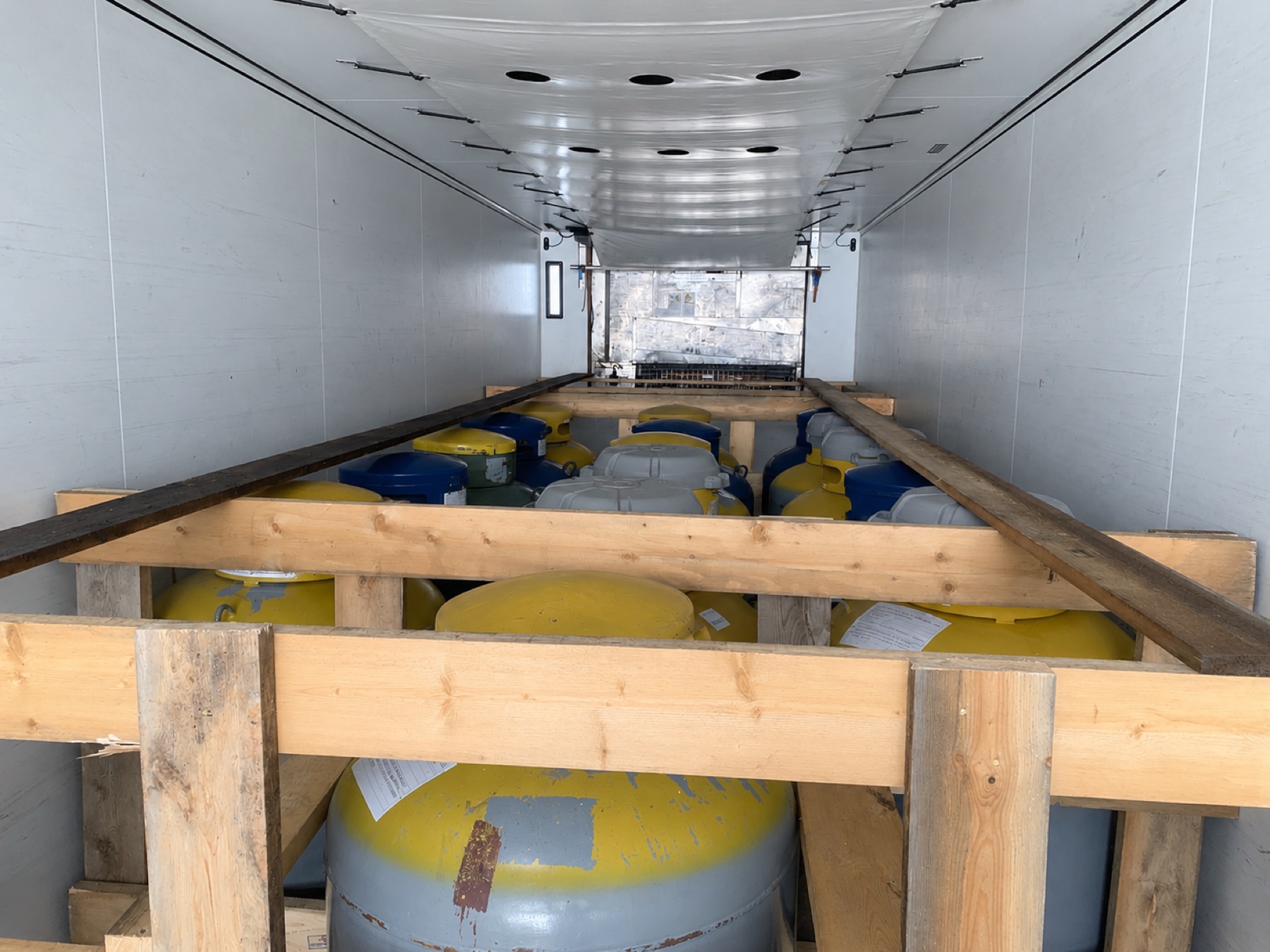
Plasma-chemical etching
Controlled impurities for semiconductor processing.
C4F6 is used in semiconductor plasma etching where non-condensed gases, moisture, carbon dioxide and hydrogen fluoride require controlled limits. The quotation should define process requirements, quantity, cylinder preference, destination and documentation.
Quality parameters
Typical product specification
| Parameter | Typical limit | Method |
|---|---|---|
| Appearance | Colourless, transparent liquid phase; no mechanical impurities | Visual inspection |
| C4F6 purity | ≥99.995 vol% | GC |
| Non-condensed gases, gas phase | ≤35 vppm | GC |
| CO2, gas phase | ≤15 vppm | GC |
| Water, liquid phase | ≤2.2 wppm | Karl Fischer |
| HF, liquid phase | ≤1.5 wppm | Electrometric method with ion-selective electrode |
Quality boundary. Values above describe a typical product specification. Final product quality is defined only by the agreed specification and the Certificate of Analysis for the specific batch. Review our quality documentation approach and available packaging formats.
Methods of analysis
Separate gas- and liquid-phase controls.
Gas chromatography (GC) is used for purity, non-condensed gases and carbon dioxide; water is measured by Karl Fischer analysis; HF is assessed by an electrometric method with an ion-selective electrode.
For a useful quotation
Separate gas-phase and liquid-phase limits.
State the etching context and required limits for non-condensed gases, CO2, moisture and HF so the quotation can follow the intended acceptance basis. See the semiconductor process-gas guide for a complete RFQ structure.
Start a C4F6 enquiry- Required quantity
- Target purity and impurity limits
- Application and end use
- Preferred cylinder format
- Tare ownership
- Destination country and city
- Required delivery date
- Required documents
Cylinder planning
Package preparation protects the analytical result.
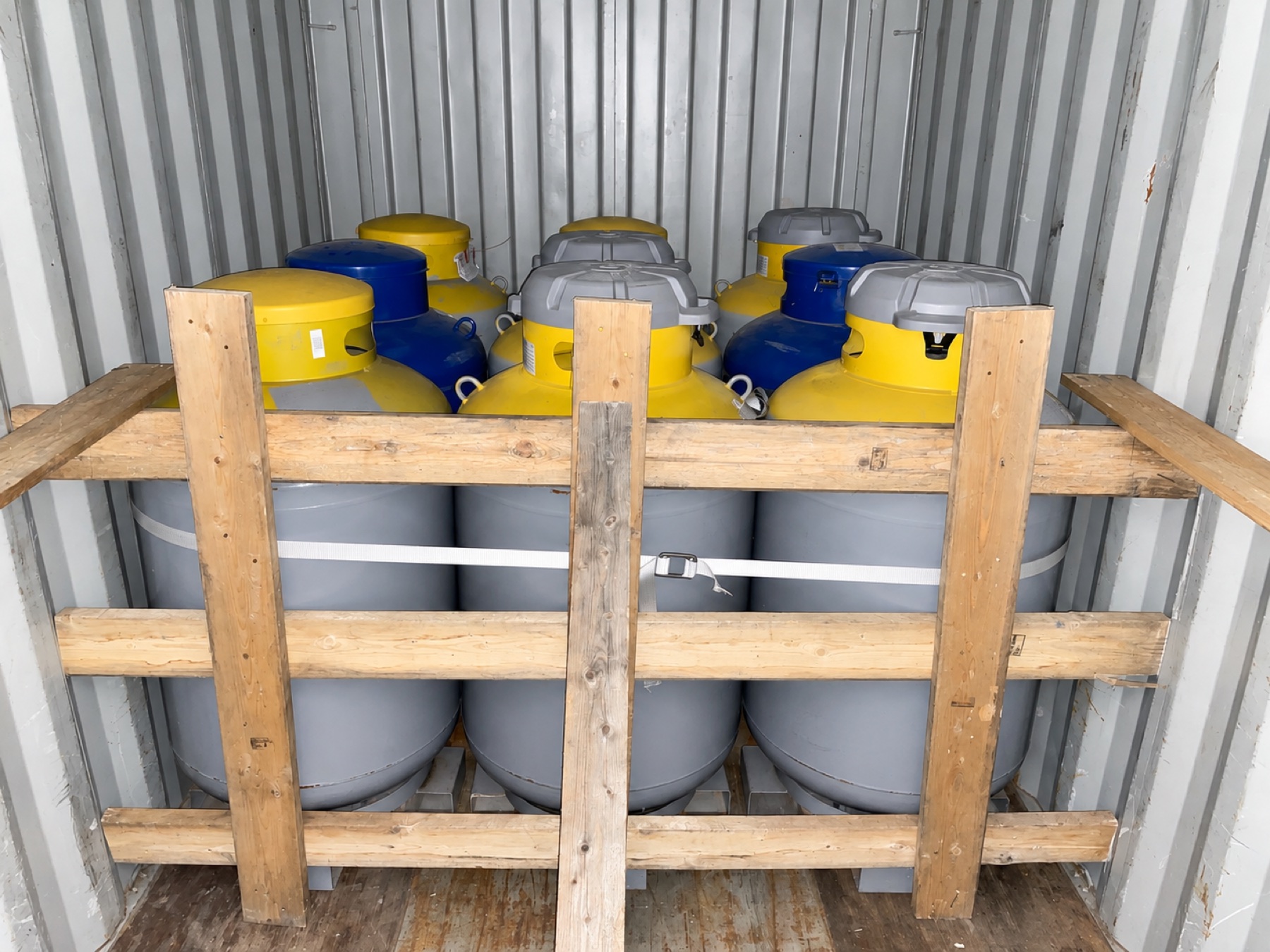
State cylinder ownership, valve, required fill quantity and any cleanliness or preparation restriction. Customer-owned cylinders need current records for acceptance. Supplier-owned cylinders require an agreed delivery and return basis.
C4F6 procurement FAQ
Keep phase, units and methods explicit.
The process specification must remain consistent from RFQ through batch release.
Why does the C4F6 specification separate gas and liquid phases?
Non-condensed gases and carbon dioxide are reported in the gas phase, while water and HF are controlled in the liquid phase. The phase and unit are part of the acceptance basis.
Which analytical methods are listed for C4F6?
Gas chromatography is listed for purity, non-condensed gases and carbon dioxide; Karl Fischer for water; and an electrometric method with an ion-selective electrode for HF.
How is C4F6 packaged?
The documented supply format is a steel cylinder. Final cylinder, fill quantity, valve, ownership and shipment configuration are confirmed for the enquiry.
What defines the delivered C4F6 quality?
The agreed product specification defines acceptance and the Certificate of Analysis for the specific batch records the release results.