
India, United Arab Emirates, Indonesia, Malaysia, Taiwan, Japan and South Korea.
Cryogenic and compressed supply
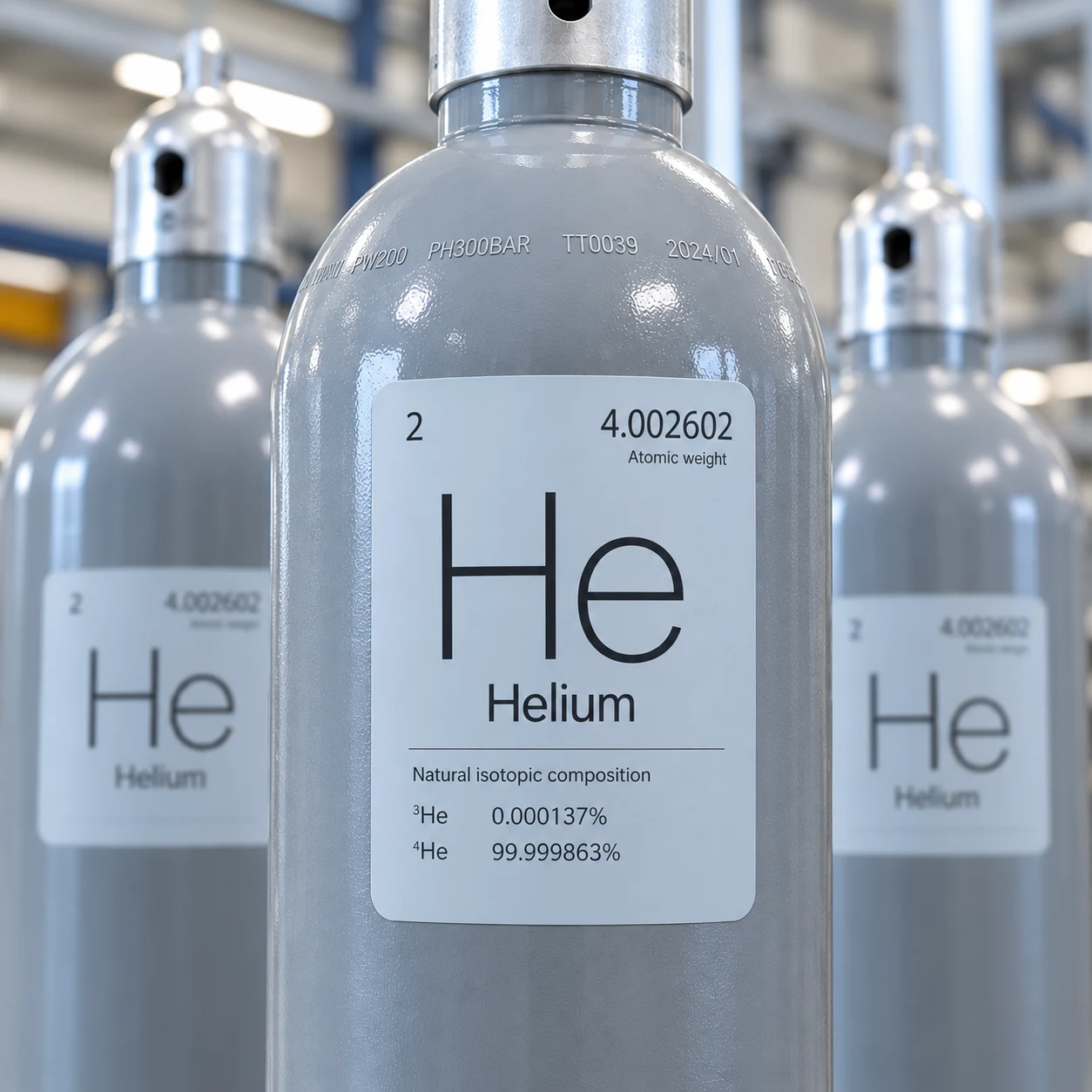
He · 02Helium
Liquid helium, gaseous helium and specialist isotope enquiries coordinated around state, quantity, packaging, route and documentation.
StatesLiquid and gaseous helium
IsotopesHelium-3 and Helium-4
PackagingCylinders, small aluminum cylinders and cryogenic vessels
International deliveryAir or sea, product and route dependent
Selected delivery experience
Liquid helium follows the equipment and the route.
Delivery planning connects the helium source, cryogenic container, transit time, receiving equipment and local handover conditions.
Across Europe, Australia, Taiwan and India.
Each movement remains subject to equipment availability, carrier acceptance, dangerous-goods rules, export review and destination requirements.
Engineering and inspection support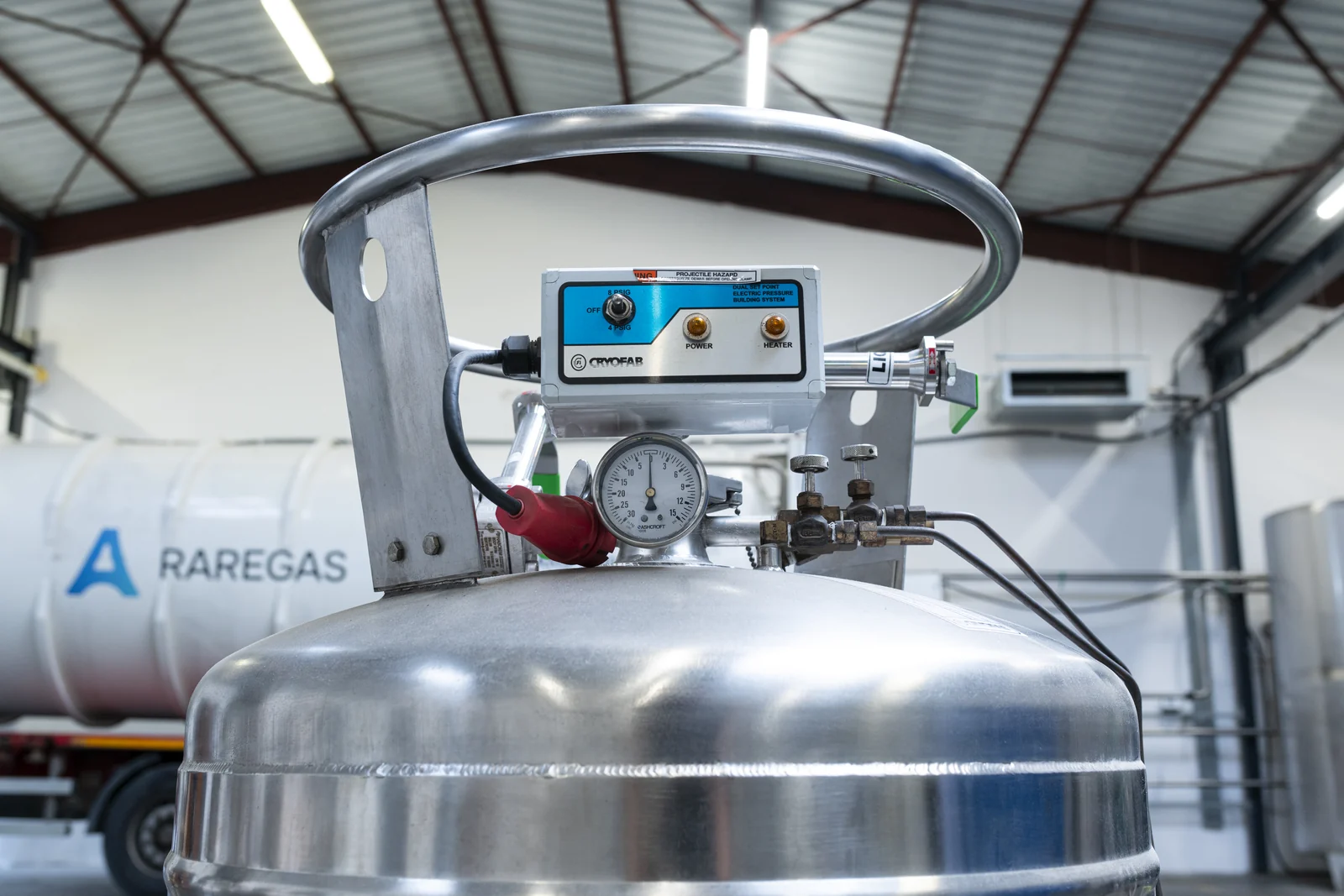
Helium changes with the state, isotope and journey.
Liquid helium requires a cryogenic supply plan. Gaseous helium uses compressed-gas packaging. Helium-3 requires specialist quantity and isotope information.
Gaseous helium
Supply formatCompressed gaseous helium can be supplied in cylinders selected around quantity, pressure, valve, destination and receiving-site requirements.
Request contextProvide purity, required gas quantity, application, preferred cylinder format and destination.
Liquid helium
Cryogenic formatLiquid helium enquiries are planned around a suitable cryogenic vessel, usable quantity, transfer method, destination and return or handover conditions.
Route planningDelivery feasibility depends on distance, schedule, venting losses, vessel availability, local handling and transport acceptance. Use the liquid helium RFQ checklist to prepare the commercial and equipment inputs.
Helium-3
Specialist isotopeHelium-3 enquiries can be structured for small quantities in 5 L and 10 L specialist cylinders, subject to required enrichment, chemical purity and package compatibility.
SpecificationShare isotope purity, quantity at the required reference conditions, pressure or package requirement, valve and outlet, application, destination and analytical documentation.
Helium-4
Commercial heliumHelium-4 requirements may be discussed as compressed gaseous helium or liquid helium, depending on the application and volume.
SpecificationState the required state, purity, quantity, packaging, delivery location and requested documents.
Liquid-helium reference quality
Batch evidence makes the quality basis visible.
A documented liquid-helium batch filled in an ISO tank was released against the limits below. The results provide a transparent reference for enquiry review, not a standing guarantee for every future delivery.
| Parameter | Reference limit | Reference batch result |
|---|---|---|
| Helium purity | >99.9999% | >99.9999% |
| Neon (Ne) | ≤4 ppm | <0.005 ppm |
| Hydrogen (H2) | ≤1 ppm | 0.122 ppm |
| Oxygen + argon (O2 + Ar) | ≤1 ppm | 0.196 ppm |
| Nitrogen (N2) | <2 ppm | 0.410 ppm |
| Methane (CH4) | ≤0.5 ppm | 0.039 ppm |
| Carbon dioxide (CO2) | ≤0.5 ppm | 0.012 ppm |
| Carbon monoxide (CO) | ≤0.5 ppm | <0.005 ppm |
| Water (H2O) | ≤3 ppm | 0.742 ppm |
Quality boundary. Values shown are from one reference batch. Final product quality is defined by the agreed specification and the Certificate of Analysis for the supplied batch. See how SG Trading handles quality documentation and cryogenic packaging. Read why trace neon in helium needs a separately validated analytical method.
Product and document roles
State changes the safety document.
Compressed helium SDS. Compressed helium is identified as a gas under pressure with hazard statement H280. Its SDS supports handling, storage and emergency planning for the compressed product.
Refrigerated liquid helium SDS. Liquid helium is identified as a refrigerated liquefied gas with hazard statement H281. Its SDS additionally addresses cryogenic burns, cold protection and low-temperature handling.
Both current documents are listed in the Safety Data Sheet register. The free transport label library offers printable marking references for compressed and refrigerated liquid helium; confirm the applicable shipment requirements before use.
Evidence used for an enquiry
- Agreed product specification
- CoA for the supplied batch
- Current SDS for the supplied state
- ISO tank or cylinder documentation
- Route and handover records
For receiving-site preparation and transfer planning, review our cryogenic engineering services.
Request heliumStable-isotope specification
Helium-3 reference requirements.
Commercial quantity is stated as gas volume at 0 °C and 760 mmHg absolute. Final acceptance follows the agreed contract specification and batch documentation.
| Parameter | Reference limit |
|---|---|
| Helium-3 isotopic enrichment | ≥ 99.8 at.% |
| Helium-4 | ≤ 0.2 at.% |
| Total helium, He-3 + He-4 | ≥ 99.995 vol.% |
| Nitrogen | ≤ 6 × 10⁻⁴ vol.% |
| Oxygen + argon | ≤ 6 × 10⁻⁴ vol.% |
| Hydrocarbons | ≤ 6 × 10⁻⁴ vol.% |
| Hydrogen | ≤ 6 × 10⁻⁴ vol.% |
| Carbon monoxide | ≤ 6 × 10⁻⁴ vol.% |
| Tritium atomic fraction | ≤ 1 × 10-11 % |
| Tritium volumetric activity | ≤ 4.8 Bq/L |
Quality boundary. These are reference contract requirements. The agreed specification and Certificate of Analysis for the specific batch define the supplied product. Review our quality documentation approach and available packaging formats.
Ring laser gyroscope gas
RLG Isotopic He-Ne Mixture
He-3 / Ne-20 / Ne-21 / Ne-22
This isotopically selected helium-neon mixture is prepared for ring laser gyroscope and laser-discharge requirements. Exact isotopic and component ratios must follow the customer specification.
Define the mixture in the RFQ
- Exact component fractions
- Total and filling pressure
- Impurity limits
- Cylinder volume and material
- Valve material and outlet
- Required analytical evidence
Cryogenic transfer planning
The delivery interface is part of the helium supply.
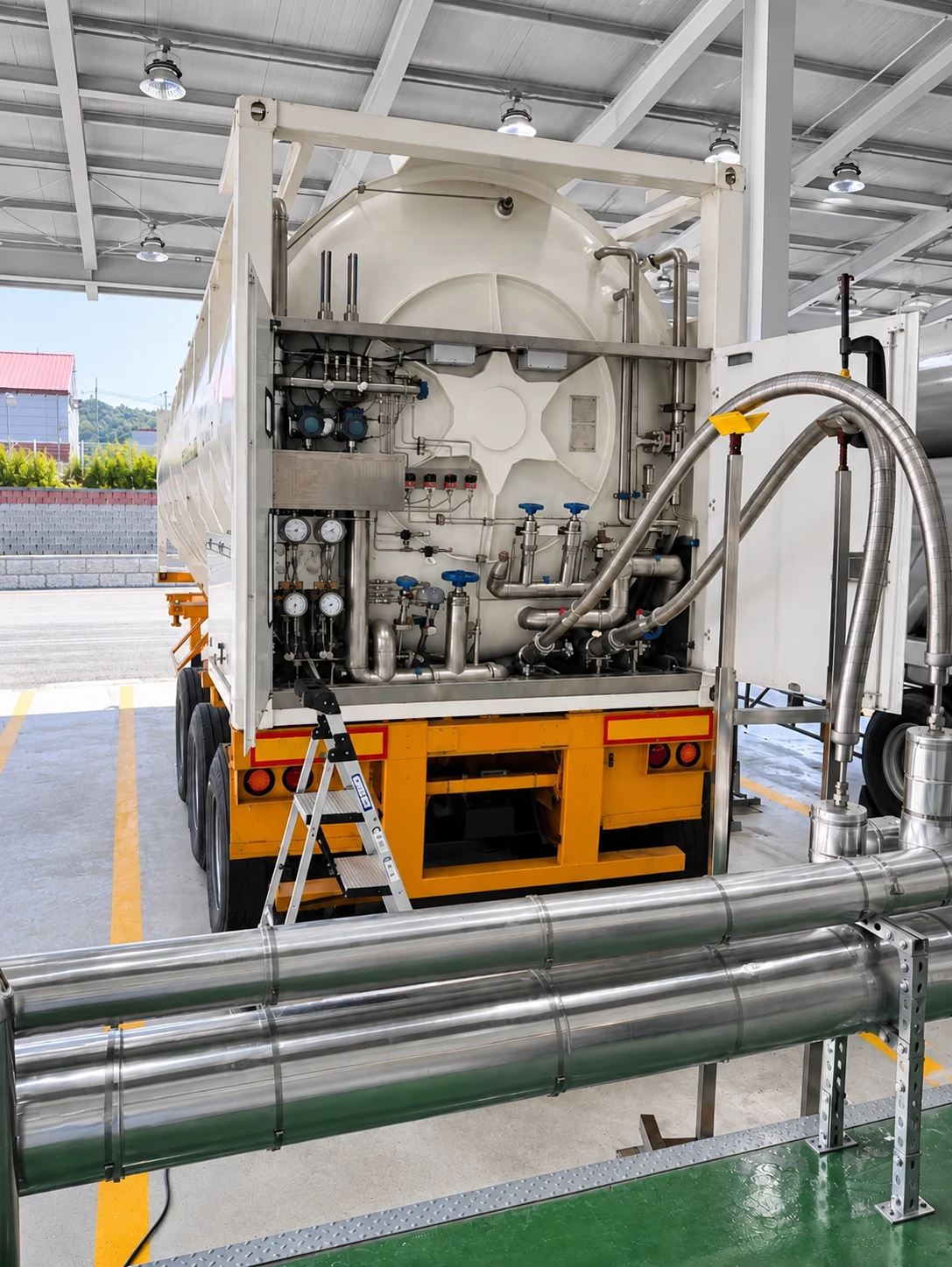
Liquid helium planning extends beyond the container. The transfer path, connections, pressure conditions, receiving equipment and operating window must work together.
- Before movement
- Review the container, usable quantity, documentation and proposed route.
- Before transfer
- Confirm connection compatibility, receiving readiness and site procedures.
- At handover
- Coordinate the operating window, responsible teams and required records.
The photograph illustrates a cryogenic transfer configuration. Final equipment and procedures are confirmed for the specific delivery.
Discuss a liquid-helium deliveryInternational logistics
The route must fit the helium format.
SG Trading coordinates worldwide delivery planning by air and sea. Liquid helium and compressed cylinders follow different handling, carrier and timing constraints.
✈Air freightConsidered for suitable compressed or specialist packages when carrier and dangerous-goods rules allow.
≈Sea freightConsidered for appropriate packaged-gas movements with suitable schedules, ports and documentation.
Before your enquiry
Helium quantity & price calculator
Compare a helium requirement across kilograms, liquid litres, gas cubic metres, SCF, MCF and MMCF. Enter one quantity or unit price and the other units update automatically.
Open helium calculatorFrom quantity to RFQ
Estimate compressed helium in a cylinder, bundle or tube trailer using its water capacity, measured pressure and gas temperature.
Review and apply the calculated quantity to your RFQ. Your entered prices stay in the calculator and are not passed to the enquiry.
For pure helium only, not mixtures or enriched isotopes. Results are engineering estimates, not filling instructions or custody-transfer measurements.
Read the methods and reference conditionsFor a useful quotation
Start with state and quantity.
These details distinguish a liquid-helium requirement from gaseous or isotope supply.
Start a helium enquiryFor liquid or gaseous helium, you can also complete this one-page fillable PDF, save it and email it to info@sgtrading.biz.
- Liquid, gaseous, He-3 or He-4
- Purity or isotope requirement
- Required quantity
- Package and valve preference
- Application and end use
- Destination and handover point
- Required delivery date
- Certificates and analytical data
Understand the liquid-helium delivery.
Read the guide to storage, transport and transfer losses to distinguish total helium mass from usable liquid. The companion guide to vacuum, MLI and thermal shields explains which equipment records make a thermal-performance claim useful.